
Wine Tasting Party Ideas for a Private Winery Event
The best wine tasting party comes down to three things: a clear theme, four to six wines poured in a deliberate order, and good food to go with them. Pick a format your guests will enjoy, whether a relaxed wine and cheese afternoon, a blind tasting with scorecards, or a guided flight of a single varietal, then add a few simple activities and let the wine lead the conversation. Hosting it at a working winery takes the pressure off entirely, since the wine, the setting, and often a guide are already there. The ideas below work anywhere, with notes on what makes a private winery event special.
This guide comes from the team at Villa San Juliette, a winery estate in Paso Robles wine country that makes its own wines and hosts private events among the vines. Because our tasting experience pairs estate wines with chef-prepared shared plates, we plan tastings like this all the time and know what makes one flow. Here are ideas you can use for your own wine tasting party, plus the practical details that keep it relaxed and memorable.
Start With a Theme
A theme gives your tasting a hook and makes every other decision easier, from which wines to pour to the food and the music. A few that consistently work:
- Old World vs. New World, pitting wines from France, Italy, or Spain against those from California, Australia, or South America.
- A single varietal flight, such as four or five different expressions of one grape, which shows how region and style change the same wine.
- Wine and cheese, the gentlest format for guests new to tasting and the easiest to host.
- Wine and chocolate or dessert wines, a relaxed evening option that feels indulgent.
- A regional theme, built around one country or wine region, carried through the food and the playlist.
- A blind tasting, where bottles are hidden and guests guess, with a dramatic reveal at the end.
Keep the theme simple and matched to your guests. A group new to wine enjoys a wine and cheese afternoon, while enthusiasts love a blind flight or a vertical of one producer.
Choose a Tasting Format
Once you have a theme, decide how the tasting itself runs. The format sets the tone of the whole event:
- A guided tasting, where a host or winemaker walks the group through each pour, is the most educational and the most relaxing for the host, since someone else leads.
- A self-paced flight, with wines set out and tasting notes on the table, lets guests move at their own speed and mingle.
- A seated tasting dinner, where each course is matched to a wine, turns the tasting into a full evening and the closest thing to a chef’s table experience.
- A competitive tasting, with scorecards and a vote, adds friendly energy and works well for a blind format.
At a winery, a guided tasting led by someone who knows the wines is often the highlight, since guests hear the story behind each bottle straight from the source. Our own tasting experience is built around exactly this, estate wines poured and explained alongside food made to match them.
Pour in the Right Order
The order you pour matters more than people expect, because a bold wine will overwhelm a delicate one if it comes first. The reliable sequence:
- Sparkling to start, which wakes up the palate
- Light whites, then fuller whites
- Rosé, if you are serving it
- Light reds, then bold reds
- Dessert wines to finish
Pour four to six wines in total. More than six and palates tire, and the tasting loses focus. Offer water and a place to pour off between wines so guests can taste clearly throughout.
Food That Works With Wine
Food is not optional at a tasting. It slows the pace, keeps the event comfortable, and makes the wines taste better. How you handle it depends on your format:
- For a guided tasting, keep food neutral while you taste, such as baguette, plain crackers, and unsalted almonds, so the wines read clearly, then bring out the fuller spread afterward.
- For a relaxed party, a generous charcuterie and cheese board covers almost any wine, with cured meats, a few cheeses, fruit, nuts, and jam.
- For a pairing dinner, match each course to its wine so the two lift each other.
A few simple pairing guidelines: sparkling loves salty and fried bites, light whites suit vegetables and seafood, bold reds stand up to red meat, and dessert wines pair with strong cheeses or chocolate. At a winery with a kitchen, this is where chef-prepared plates built to complement the wines turn a tasting into something guests remember.
Add a Few Activities
A couple of light activities keep a tasting social and fun without turning it into a lecture:
- Scorecards, where guests rate each wine and jot tasting notes, which gives everyone a way in.
- A blind guess, asking guests to name the grape, the region, or the price, with a reveal at the end.
- A wine flavor wheel on the table to help guests describe what they taste, which doubles as a party favor.
- A favorite-bottle vote, a simple, low-pressure way to close the tasting.
Choose one or two rather than packing the event with games. The wine and the company are the main event, and the best activities simply give guests a reason to talk to one another.
Why a Private Winery Setting Elevates It
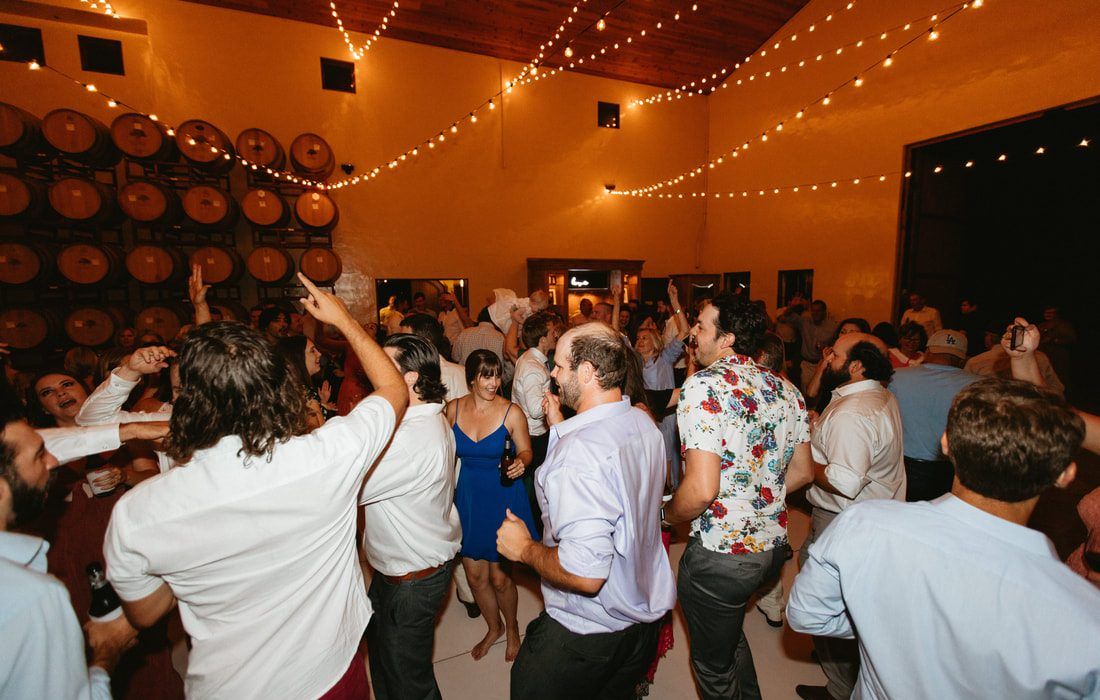
You can host a wonderful wine tasting at home, but a private winery event removes the work and adds something a living room cannot. The wine is made on site, so guests taste it where it is grown. There is usually a knowledgeable guide to lead the tasting, so the host gets to enjoy the party too. And the setting, rows of vines, a barrel room, a patio at golden hour, becomes part of the experience rather than something you have to decorate for.
Our estate is built for this kind of gathering. Tastings can take place in the Barrel Room for a cozy, behind-the-scenes feel, or outdoors with the vineyard as the backdrop, and the events team designs private tastings around each group. You can see the grounds on our estate and vineyard page and plan a visit through our visit page.
How Many Guests, and How Much Wine
For an intimate, guided tasting, six to twelve guests is the sweet spot, with about eight ideal, since everyone can hear the host and join the conversation. A private winery event can comfortably scale well beyond that for a celebration, a corporate group, or a club outing, since the space and the pours are handled for you.
For wine, plan on roughly one bottle per four to six guests for each wine in the flight, keeping tasting pours small, about two ounces each. At a winery, this is simply part of the package, so you do not have to calculate bottles or run to the store mid-event. If you are folding the tasting into a larger celebration, our guides on corporate event ideas for a winery and rehearsal dinner ideas show how a tasting fits into a bigger day.
Set the Mood
The atmosphere carries a tasting as much as the wine. A few simple touches:
- Good glassware, clear and clean, so guests can see and swirl the wine.
- A relaxed playlist, matched to the theme if you have one.
- Soft, natural light, which is why late afternoon into golden hour is a favorite window.
- Comfortable seating arranged so guests face one another and conversation flows.
At a winery, most of this is already in place, which is part of why a private tasting feels effortless compared to hosting at home.
A Simple Run of Show
A loose flow keeps the event relaxed and on track:
- Welcome and a sparkling pour as guests arrive
- An optional tour of the vines or barrel room
- The guided tasting, moving through the flight in order
- Food and mingling, with the fuller spread or a paired dinner
- A reveal or favorite-wine vote to close
Keep it unhurried. A tasting is meant to be savored, so build in time to linger rather than rushing from pour to pour.
Ready to Plan Yours?
A great wine tasting party is really about bringing people together over something worth slowing down for. Pick a theme, pour four to six wines in order, serve food that flatters them, and add a light activity or two. Host it at a winery and the wine, the guide, and the setting are all handled, so you can simply enjoy it with your guests.
If you are planning a private wine tasting in Paso Robles wine country, you can explore our estate and vineyard, see about a stay, and start a conversation through our private event inquiry or request a tour to picture the event among the vines.
Frequently Asked Questions
How do you host a wine tasting party?
Choose a theme, pour four to six wines in a deliberate order from light to bold, and serve food that complements them. Invite a manageable group, provide proper glassware and water, and consider having someone guide the tasting so you can host rather than lecture. Add a simple activity like scorecards or a blind guess, keep the pace relaxed, and let the wine lead the conversation.
What are good wine tasting party themes?
Popular themes include Old World versus New World, a single-varietal flight, wine and cheese, wine and chocolate, a regional theme built around one country, and a blind tasting with a reveal at the end. Match the theme to your guests: a wine and cheese afternoon suits newcomers, while a blind flight or a vertical of one producer is a hit with enthusiasts. A clear theme makes every other choice, from wines to food, easier.
In what order should you serve wines at a tasting?
Pour from lightest to boldest so no wine overwhelms the next. Start with sparkling, move to light then fuller whites, then rosé if you are serving it, then light reds, then bold reds, and finish with dessert wines. Keep to four to six wines total, since more than that tires the palate, and offer water and small pours so guests can taste each wine clearly.
What food do you serve at a wine tasting party?
Keep food neutral while you are actively tasting, such as baguette, plain crackers, and unsalted almonds, so the wines read clearly, then bring out a fuller spread afterward. A charcuterie and cheese board with fruit, nuts, and jam pairs with almost any wine. For a pairing dinner, match each course to its wine. As a guide, sparkling loves salty bites, bold reds suit red meat, and dessert wines pair with strong cheese or chocolate.
How many guests should a wine tasting party have?
For an intimate, guided tasting at home, six to twelve guests is ideal, with about eight the sweet spot, so everyone can hear the host and join in. A private winery event can scale much larger for a celebration, corporate group, or club outing, since the space, the pours, and often a guide are all handled for you. Match the guest count to the format and the setting.
Why host a wine tasting at a winery instead of at home?
A winery removes the work and adds what a home cannot. The wine is made on site, so guests taste it where it is grown, there is usually a knowledgeable guide so the host can relax, and the vineyard setting becomes part of the experience. You skip buying and chilling bottles, calculating pours, and decorating, and simply enjoy the tasting with your guests in a setting built for it.
