Questions to Ask Wedding Venue Coordinator Before Booking

Planning a wedding is exciting, but it can also feel overwhelming, especially when it comes to choosing the right venue. One of the most important steps you can take is asking your wedding venue coordinator the right questions before you sign anything.

At Villa San Juliette, we’ve worked with hundreds of couples through the entire wedding planning process. We know what details matter most, what gets overlooked, and what questions can save you from stressful surprises on your big day. This guide is here to help you walk into every venue tour feeling confident and prepared.

Why You Should Ask Your Venue Coordinator These Questions

A wedding venue coordinator is your main point of contact for everything venue-related. They manage the logistics, communicate with vendors, and make sure the day runs smoothly.

But not every venue offers the same services, rules, or packages. What’s included at one venue may cost extra at another. Asking clear, direct questions upfront protects you from unexpected costs and misunderstandings later.

The questions below cover everything from availability and pricing to weather backup plans and contract terms. Use them as your go-to checklist on every venue visit.

Topic Questions to Ask Why It Matters
Availability & Pricing Is our date available? What’s included in each package? Avoids wasted time touring venues outside your budget or timeline
Guest Capacity What is the maximum headcount? Are spaces separate? Ensures every guest fits comfortably and the flow makes sense
Catering & Bar Is catering in-house? What is the alcohol policy? Food and drink are a major cost and guest experience factor
Vendors & Decor Is there a required vendor list? What are the decor rules? Protects you from surprise restrictions or extra fees
Wedding Day Timeline Who is our day-of contact? How many events run that day? Prevents scheduling conflicts and keeps your day on track
Weather & Backup Is there an indoor backup? How quickly can it be set up? Critical for outdoor or partially outdoor venues
Contract & Cancellation What is the cancellation policy? What counts as an add-on? Protects your deposit and sets clear expectations upfront

Questions to Ask About Availability, Pricing, and Packages

Start with the basics. Before falling in love with a venue, make sure it’s actually available and within your budget.

  • Is our preferred wedding date available?
  • How far in advance do you typically book?
  • What are your wedding packages, and what is included in each?
  • What is the total cost, and what does the pricing structure look like?
  • Are there different rates for weekdays vs. weekends?
  • What is the required deposit, and when is the remaining balance due?
  • Do you offer any off-season discounts or weekday rates?

Understanding pricing upfront helps you compare venues accurately and avoid sticker shock later.

Questions to Ask About Guest Capacity and Venue Spaces

Every venue has limits, and knowing them early helps you plan your guest list with confidence.

  • What is the maximum guest capacity for both the ceremony and reception?
  • Are there separate spaces for the ceremony and reception?
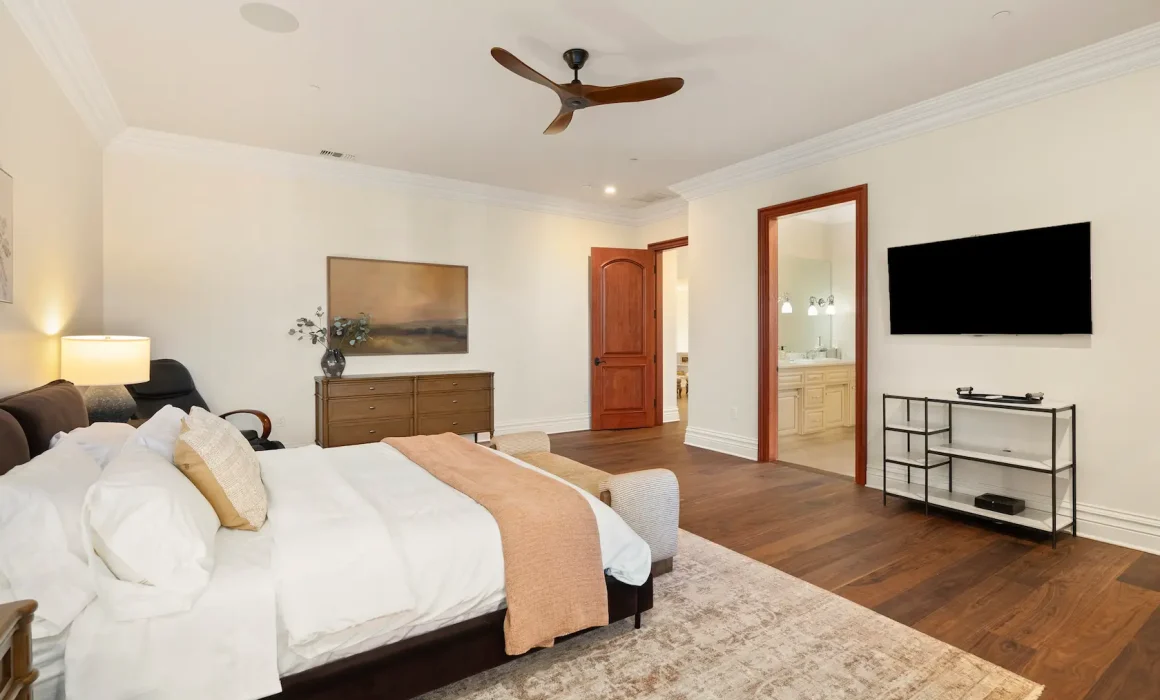
  • Is there a bridal suite or getting-ready room available?
  • Is there a coat check area?
  • How many restrooms are available for guests?
  • Is the venue wheelchair accessible?
  • Is there air conditioning and heating throughout the venue?

It’s also worth asking to see every room you’ll be using, not just the main event space.

Questions to Ask About Catering, Alcohol, and Bar Service

Food and drinks are a huge part of the wedding experience. Make sure you understand exactly how this is handled at the venue.

  • Do you have in-house catering, or can we bring an outside caterer?
  • If in-house, can we see a sample menu and pricing?
  • Are there any restrictions on outside food or desserts?
  • What is your alcohol policy?
  • Do you provide bar service, or do we need to hire a bartender separately?
  • Is there a corkage fee if we bring our own wine or alcohol?
  • How is the final guest headcount handled for catering purposes?

These details affect your budget significantly, so it’s important to get clear answers early.

Questions to Ask About Vendors, Setup, and Decor Rules

Some venues have strict rules about who you can hire and what you can bring in. Knowing this ahead of time keeps your planning on track.

  • Do you have a preferred vendor list, or are vendors required to be on an approved list?
  • Do outside vendors need to carry liability insurance?
  • What are the vendor arrival and departure times?
  • How much time is allowed for setup and breakdown?
  • Are there any restrictions on decorations (candles, confetti, floral installations)?
  • Can we bring in a live band? Are there noise restrictions or a noise ordinance?
  • Is there a dedicated DJ booth or stage area?

If you already have vendors in mind, it’s a good idea to ask about them specifically.

Questions to Ask About the Wedding Day Timeline

A smooth wedding day depends on good timing. Ask your coordinator how the day is structured and how flexible they can be.

  • What does a typical wedding day timeline look like at this venue?
  • Who will be our main point of contact on the wedding day?
  • How many events do you host per day?
  • Is there any overlap with another wedding or event?
  • What time can vendors begin setting up?
  • What time does the event need to end?
  • Is there a penalty for going over the allotted time?

Having a clear picture of the day-of schedule helps you and your vendors plan everything down to the last detail.

Questions to Ask About Weather Backup, Parking, and Accessibility

If your ceremony or reception is outdoors, or even partially outdoors, you need a solid backup plan.

  • Is there a rain plan or indoor backup space available?
  • How quickly can the venue transition from an outdoor to an indoor setup?
  • Is there covered parking on-site?
  • How many parking spots are available for guests?
  • Is the venue accessible for guests with mobility needs?
  • Is there nearby accommodation for out-of-town guests?

Never assume a venue has a weather backup. Always ask, and get the answer in writing.

Questions to Ask Before Signing the Venue Contract

Before you put pen to paper, take time to review the contract carefully and ask anything that isn’t crystal clear.

  • What is included in the contract vs. what is considered an add-on?
  • What is your cancellation policy?
  • What happens if we need to reschedule due to an emergency?
  • Is a security deposit required, and is it refundable?
  • What liability does the venue hold on the wedding day?
  • Are there rules about vendors signing their own contracts with the venue?
  • When is the final walkthrough scheduled?

If something in the contract seems vague, ask the coordinator to clarify it in writing. A good venue coordinator will always be happy to walk you through the details.

Final Wedding Venue Coordinator Questions Checklist

Here’s a quick summary of everything to cover before booking:

Availability & Pricing

  • Date availability
  • Package inclusions and total costs
  • Payment schedule and deposit

Capacity & Spaces

  • Maximum guest count
  • Bridal suite and restroom availability
  • Accessibility and climate control

Catering & Bar

  • In-house vs. outside catering
  • Alcohol policy and bar service
  • Final headcount process

Vendors & Decor

  • Preferred or required vendor lists
  • Vendor insurance requirements
  • Decor and noise restrictions

Timeline & Logistics

  • Day-of coordinator contact
  • Setup and breakdown windows
  • Overtime policies

Weather & Parking

  • Indoor backup plan
  • Parking availability
  • Guest accessibility

Contract & Cancellation

  • What’s included vs. extra
  • Cancellation and rescheduling terms
  • Final walkthrough timing

Why Villa San Juliette Checks Every Box

Choosing a wedding venue is one of the biggest decisions in your planning process. After going through all the questions above, you deserve a venue that has a confident, clear answer to every single one of them.

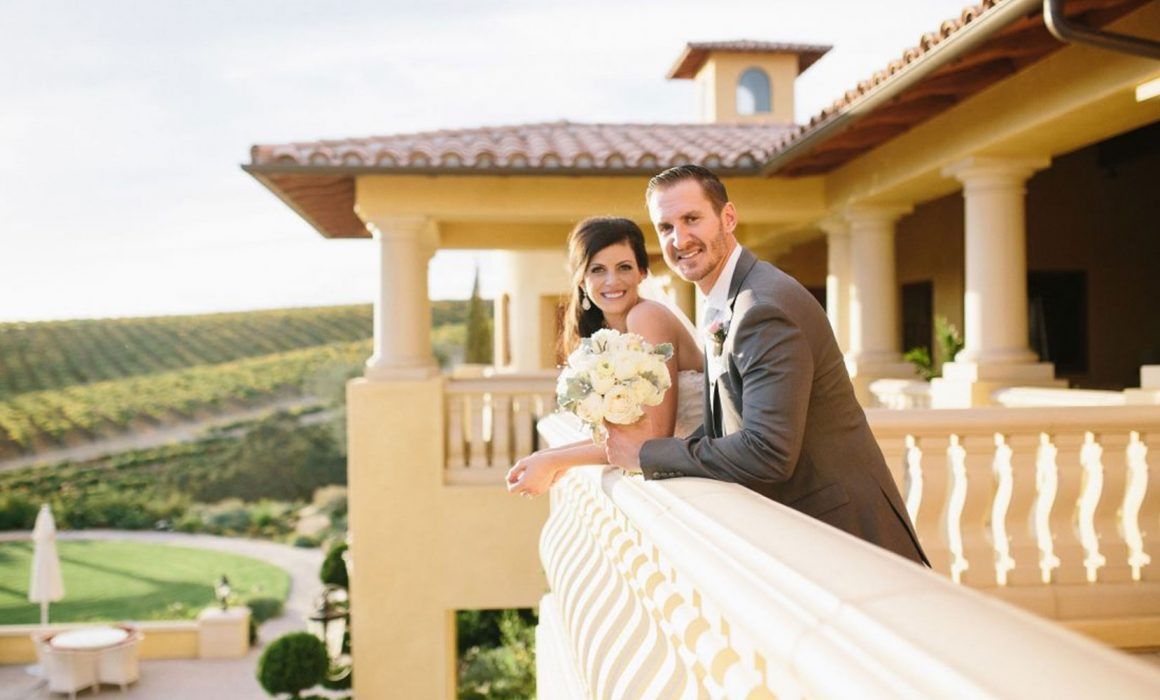
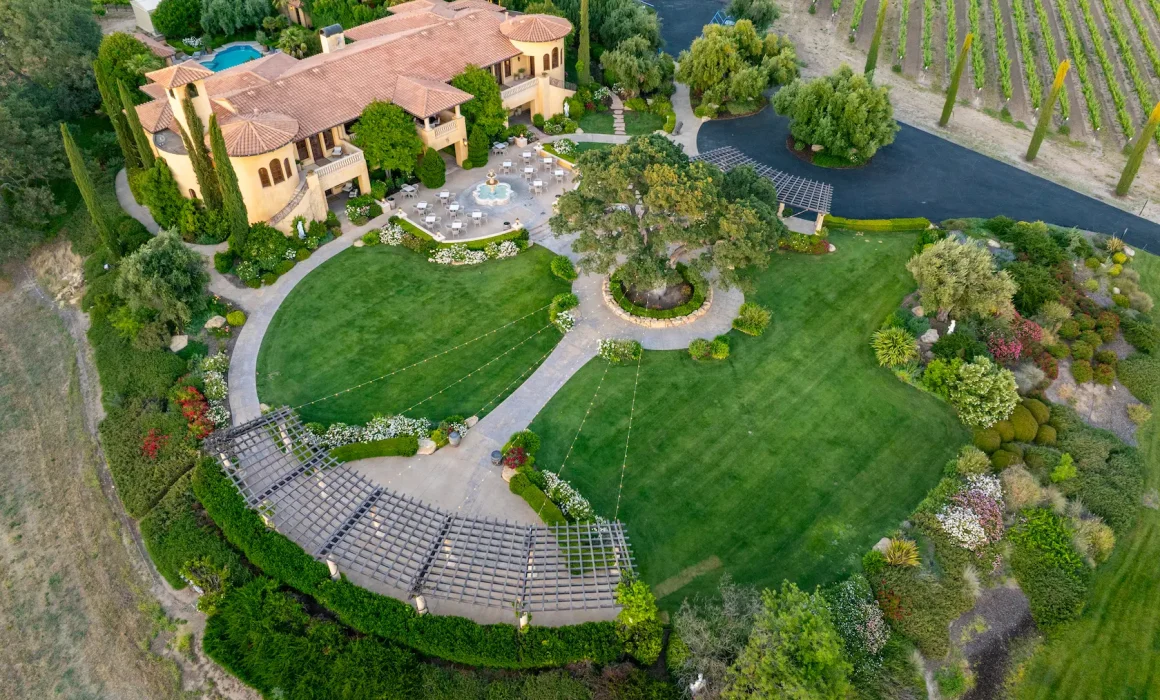
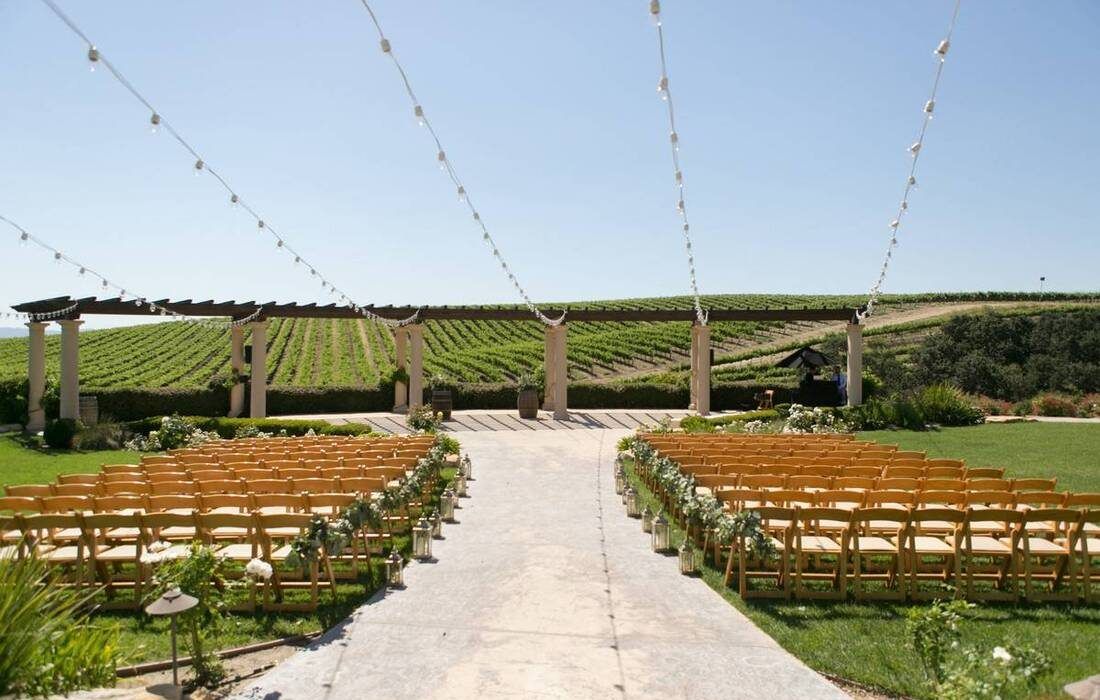
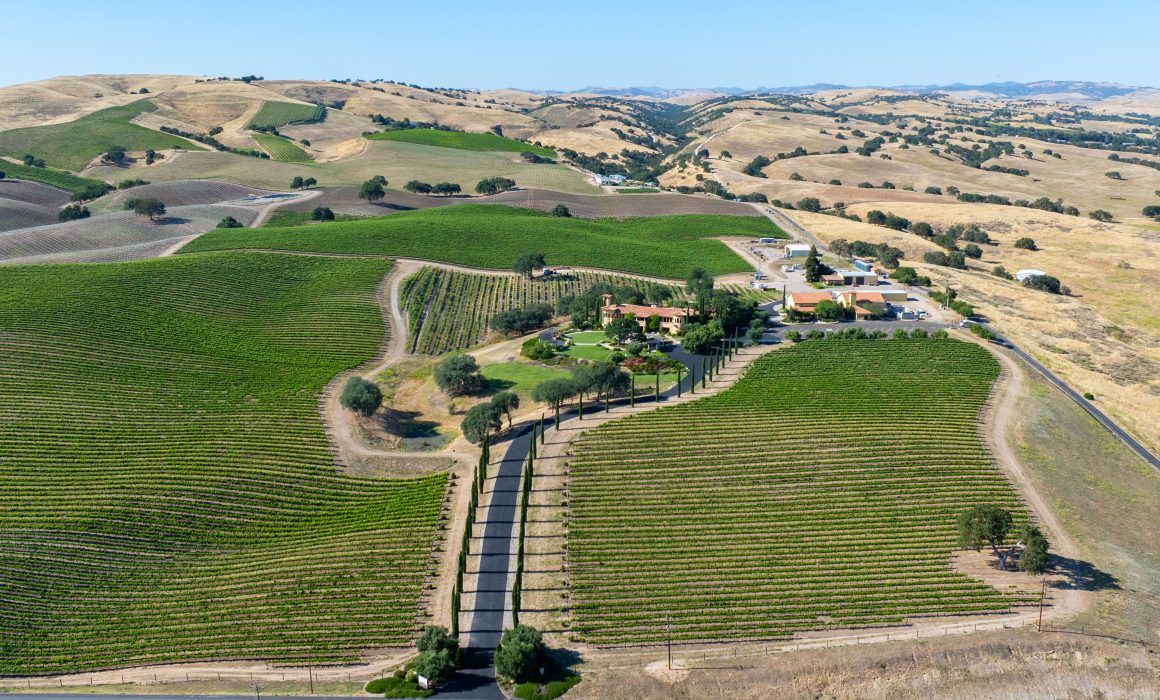
Villa San Juliette is a working winery estate nestled in the heart of Paso Robles wine country in California. It’s a Tuscan-inspired property with stone accents, sweeping vineyard views, and both indoor and outdoor spaces designed to make your wedding day feel effortless and unforgettable.

Here’s how Villa San Juliette answers the questions that matter most:

  • Capacity: The venue comfortably hosts intimate celebrations of 25 guests all the way up to grand weddings of 200 guests.
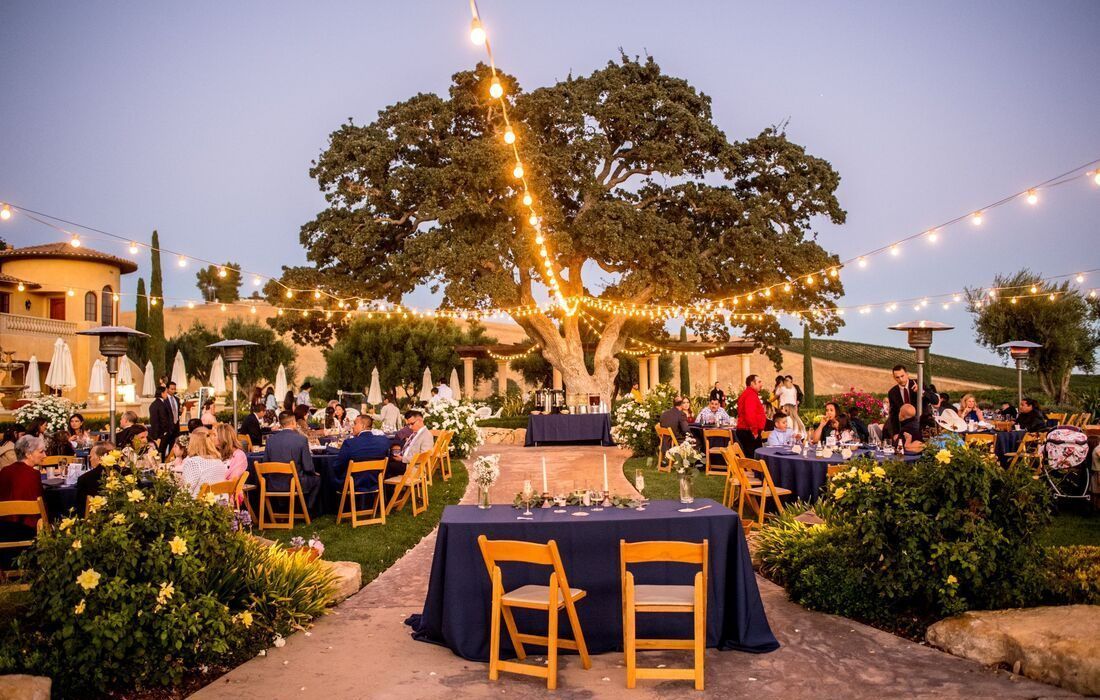
  • Spaces: Choose from the Upper Lawn, outdoor arbor, vineyard backdrop, and patio areas. Ceremony and reception spaces are distinct and beautifully designed.
  • Food and wine: As a working winery, Villa San Juliette brings something most venues simply cannot: estate-grown wines and chef-prepared food served on-site. Your guests don’t just attend your wedding. They experience wine country.
  • Location: Situated just eight miles north of downtown Paso Robles at 6385 Cross Canyons Road, San Miguel, CA, the property is easy to reach while still feeling like a true destination.
  • The team: The events team works with you directly to build a plan around your vision, your guest count, and your goals. Nothing is cookie-cutter here.
  • Guest experience: Real couples have called the views breathtaking, the wine exceptional, and the staff warm and knowledgeable. The venue has earned Couples’ Choice recognition for the experience it delivers.

If you’ve been reading this guide with a specific vision in mind, a beautiful outdoor setting, great food and wine, and a team that knows how to run a flawless event, Villa San Juliette was built for exactly that.

Ready to see it for yourself? Book a tour today and bring your questions. We’re here to answer every one of them.

Frequently Asked Questions

What is the difference between a wedding venue coordinator and a wedding planner? 

A venue coordinator works for the venue. Their job is to manage everything related to the venue itself, such as setup, catering logistics, and making sure the space is ready on time. A wedding planner works for you. They oversee the entire event, manage all your vendors, and handle the big picture from start to finish. Both are valuable, but they serve different roles. If your venue only provides a coordinator, you may still want to hire a planner for full day-of support.

How far in advance should you book a wedding venue? 

Most popular venues book 12 to 18 months in advance, especially for peak season dates like spring and fall weekends. If you have a specific date in mind, it’s worth reaching out as early as possible. Waiting too long can mean your first choice is no longer available.

What should you bring to a wedding venue tour? 

Bring your guest list estimate, your ideal wedding date or a few flexible options, a rough budget, and a list of questions like the ones in this guide. It also helps to take notes and photos during the tour so you can compare venues clearly after the visit.

What happens if you need to cancel or reschedule your wedding? 

Every venue has its own cancellation and rescheduling policy, and the details vary widely. Some venues offer partial refunds if you cancel far enough in advance. Others may allow you to move your date for a fee. Always read the cancellation clause in your contract carefully before signing, and consider wedding insurance for extra protection.

Do you need a backup plan for an outdoor wedding? 

Yes, always. Weather is unpredictable, and no outdoor venue should be booked without confirming there is a solid indoor or covered alternative. Ask the coordinator exactly how and when the backup plan would be activated, and make sure it is written into your contract.


Wedding Venue Comparison Checklist for Couples

Choosing a wedding venue is one of the first and most important decisions you will make as a couple. It sets the tone for everything else, from your guest list to your budget to the overall feel of the day. But with so many options out there, it is easy to fall in love with a venue on a tour and forget to ask the questions that really matter.

At Villa San Juliette, we have worked alongside hundreds of couples navigating this exact process. We have seen what makes a venue work beautifully and what causes headaches down the road. This checklist was built from that hands-on experience, so you can walk into every venue tour with clear eyes and the right questions ready.

How to Compare Wedding Venues Before You Book

Why a Venue Comparison Checklist Helps

Most couples visit two to five venues before making a decision. After a few tours, the details start to blur together. What was included at venue one? Did venue three have a rain plan? Which one had the stricter vendor rules?

A comparison checklist solves that problem. It gives you a consistent framework to evaluate every venue on the same terms, so your final decision is based on facts, not just feelings.

What Couples Should Compare Side by Side

Not all venue differences are obvious at first glance. Some of the most important ones are buried in the contract or only come up when you ask directly. The categories below cover every area that matters, from location and capacity to contracts and hidden fees.

Category What to Compare Why It Matters
Location and Capacity Accessibility, guest count limits, space layout Affects guest experience from arrival to send-off
Pricing and Packages What is included, what costs extra Prevents budget surprises after signing
Catering and Bar In-house vs. outside, alcohol policy One of the biggest cost and experience factors
Amenities and Logistics Setup time, rentals, getting ready rooms Determines how smooth your wedding day actually runs
Style and Atmosphere Aesthetic, photo spots, weather backup Shapes the look and feel of your entire day
Contracts and Policies Deposits, cancellation, vendor restrictions Protects you legally and financially

Compare Location, Capacity, and Guest Experience

Is the Venue Easy for Guests to Reach?

A stunning venue that is difficult to find or far from accommodations can create stress for your guests. When comparing venues, think about the full guest journey, not just the ceremony space.

Ask about proximity to hotels, airports, and downtown areas. Find out whether the venue offers a shuttle service or has partnerships with nearby lodging. A venue that is a destination in itself can actually work in your favor, as long as guests have a clear, easy way to get there and somewhere comfortable to stay nearby.

Can the Venue Comfortably Fit Your Guest Count?

Every venue has a stated maximum capacity, but that number does not always tell the whole story. A room that fits 200 guests for a cocktail reception may feel crowded when you add round tables, a dance floor, a band stage, and a dessert table.

Ask the coordinator to show you a sample floor plan at your specific guest count. Make sure the layout still has room for everything you want, including a dance floor, a head table, and any other elements that matter to your vision.

Are There Separate Spaces for the Ceremony, Cocktail Hour, and Reception?

The best wedding venues give each part of your day its own dedicated space. This keeps the experience feeling intentional and allows for transitions that feel natural rather than rushed.

Find out whether the ceremony and reception are held in the same room and whether a room flip is required between events. Room flips take time and can cut into your cocktail hour or reception if the timeline is not planned carefully.

Parking, Accessibility, Bathrooms, and Guest Flow

These details are easy to overlook on a tour but they matter more than most couples expect.

  • Is there enough parking on-site, or will guests need to shuttle in?
  • Are the pathways and restrooms accessible for elderly guests or guests with mobility needs?
  • Are there enough restrooms for your guest count, and are they conveniently located?
  • Is the venue climate controlled? What happens in extreme heat or cold?

Compare Pricing, Packages, and What’s Included

What Is Included in the Venue Rental Fee?

Venue pricing varies widely, and two venues with similar rental fees can represent very different values once you factor in what each one includes. Always ask for a full itemized breakdown before comparing costs.

Some venues charge a flat rental fee and require you to bring in everything else. Others include tables, chairs, linens, and catering. Neither approach is inherently better, but you need to know what you are working with before you can make a fair comparison.

Are Catering, Rentals, Staff, or Decor Included?

Make a simple list for each venue: what comes with the rental fee and what is an add-on. Common inclusions to ask about include:

  • Tables and chairs
  • Linens and tableware
  • Catering and bar service
  • Event staff and setup crew
  • Basic lighting and sound equipment
  • Bridal suite or getting ready rooms
  • Parking attendants or shuttle service

When you put these lists side by side, you will often find that a more expensive venue includes far more than a cheaper one, making the total cost much closer than it first appeared.

What Extra Fees Should You Ask About?

Hidden fees are one of the most common sources of frustration for couples after they have already signed a contract. Ask directly about anything that is not spelled out clearly in writing.

Taxes, Service Charges, Cleaning Fees, Overtime, and Gratuities

Ask each venue about the following before you commit:

  • Is a service charge applied to catering or bar costs, and if so, what percentage?
  • Are taxes included in the quoted price or added on top?
  • Is there a cleaning fee, and is it included or separate?
  • What is the overtime rate if your event runs past the contracted end time?
  • Is gratuity for the venue staff included or expected separately?

These charges can add 20 to 30 percent or more to the base price if you are not asking about them upfront.

Compare Catering, Bar Service, and Vendor Rules

Does the Venue Offer In-House Catering?

Some venues require you to use their in-house catering team. Others are open to outside caterers. Both setups have advantages, and the right answer depends on your priorities.

In-house catering typically means a more streamlined planning process since the kitchen, staff, and logistics are all coordinated through one team. Outside catering gives you more flexibility to choose a caterer whose food you love, but it adds another vendor relationship to manage.

Ask whether the venue has a food and beverage minimum that must be met, and whether that minimum is realistic for your guest count and menu preferences.

Can You Bring Your Own Vendors?

Vendor flexibility varies a lot from venue to venue. Some have a required vendor list and will not allow outside vendors. Others have a preferred list that you are encouraged but not required to use. Some give you complete freedom to hire whoever you want.

Find out where each venue stands before you get attached to specific vendors. If you already have a photographer, florist, or caterer in mind, confirm whether they are allowed to work at each venue you are considering.

Also ask whether outside vendors need to carry liability insurance and whether they are required to sign a separate agreement with the venue.

What Are the Bar Package and Alcohol Rules?

Alcohol policies differ significantly from one venue to another, and this area is worth paying close attention to.

  • Does the venue provide bar service, or do you need to hire a bartender separately?
  • Can you bring your own wine or alcohol, and is there a corkage fee?
  • Are there restrictions on what types of alcohol can be served?
  • Does the venue have a licensed liquor license, or does that responsibility fall on you or your caterer?

Compare Amenities, Setup, and Wedding Day Logistics

Are Tables, Chairs, Linens, and Getting Ready Spaces Included?

The practical details of your wedding day depend heavily on what the venue provides. Go through each venue’s amenity list carefully and note what is and is not included.

Getting ready spaces are often overlooked during venue tours. Ask whether there is a bridal suite or a separate room for the wedding party to prepare in, and whether that space is available for the full morning or only for a limited window.

How Much Setup and Breakdown Time Is Included?

Vendors need time to set up before guests arrive, and they need time to break down after the event ends. Ask each venue how many hours are included for vendor setup and cleanup, and whether those hours fall within the rental window or are provided separately.

A venue that offers an 8-hour rental window sounds generous, but if two of those hours are for setup and one is for breakdown, your actual event time is closer to five hours.

Who Handles Room Setup, Cleanup, and Vendor Coordination?

Find out whether the venue’s staff handles table and chair setup or whether that responsibility falls to your vendors or your wedding party. Ask who is responsible for coordinating vendor arrivals and making sure everyone is where they need to be.

Timeline Rules, Vendor Access, and Overtime Costs

Get specific answers on the following:

  • What time can vendors begin setting up?
  • Is there a hard end time for the event and for vendor breakdown?
  • What is the overtime rate if vendors need additional time?
  • Is a venue coordinator present throughout the event, or only during setup?

Compare Style, Photo Opportunities, and Atmosphere

Does the Venue Match Your Wedding Vision?

A venue can check every practical box and still not feel right if the style does not match what you have in mind. Think about your overall aesthetic and whether each venue supports it naturally or requires a lot of decoration to get there.

A venue with strong bones, interesting architecture, natural textures, and an appealing setting will photograph well and feel cohesive with minimal effort. A plain space may require significant investment in decor to achieve the same effect.

Are There Good Indoor and Outdoor Photo Locations?

Your wedding photos will last a lifetime, so it is worth thinking carefully about the backdrop each venue provides. Walk the full property during your tour with your photographer’s eye in mind.

Ask about natural light at different times of day, outdoor spaces that work for portraits, and any areas that are off-limits for photography. A venue with a variety of spaces, from lush gardens to architectural details to sweeping views, gives your photographer more to work with and your photos more variety.

Is There a Weather Backup Plan?

If any part of your ceremony or reception is outdoors, you need a clear, confirmed backup plan. Do not assume a venue has one. Ask directly.

Find out where the backup space is, how quickly the transition can be made, and who is responsible for making the call. A good venue will have a defined process for this and will walk you through it without hesitation.

Compare Contracts, Policies, and Overall Value

What Is the Deposit and Payment Schedule?

Different venues have different payment structures. Some require a large deposit upfront and the balance 30 days before the wedding. Others break payments into smaller installments spread over the planning period.

Understand the full payment schedule before you sign anything, and make sure the amounts and due dates work with your financial plan.

What Is the Cancellation or Postponement Policy?

This is one of the most important things to review in any venue contract. Find out what happens to your deposit if you need to cancel, and whether you have any options to reschedule without losing your investment.

Ask specifically about postponements due to circumstances outside your control, and whether the venue has any provisions for that. Consider wedding insurance as an additional layer of protection regardless of what the contract says.

Are There Restrictions on Decor, Music, Vendors, or Alcohol?

Some venues have strict rules that can significantly limit your options. Before signing, ask about:

  • Whether open flames, sparklers, or confetti are permitted
  • Whether there is a noise curfew or a sound limit for live music
  • Whether there are restrictions on hanging decor or altering the space
  • Whether outside alcohol is permitted or must be purchased through the venue

Review the Total Value Before Signing

Once you have gathered all the information, do not just compare base rental fees. Compare the total cost and the total value. A venue that costs more upfront may include catering, staffing, and rentals that would cost far more if sourced separately. A venue that looks affordable may require so many add-ons that the final number is much higher.

Build a simple cost comparison that accounts for everything, and then weigh that number against the experience, the setting, and how confident you feel in the team running the event.

Final Wedding Venue Comparison Checklist

Use this checklist during every venue tour to make sure you are comparing venues on a level playing field.

Location, Capacity, and Guest Comfort

  • Is the venue easy for guests to reach, and is there nearby accommodation?
  • Does the maximum capacity work comfortably at your guest count with your desired layout?
  • Are there separate spaces for the ceremony, cocktail hour, and reception?
  • Is there adequate parking, accessible pathways, and enough restrooms?
  • Is the venue climate controlled, or is there a plan for extreme weather?

Pricing, Packages, and Inclusions

  • What is included in the rental fee, and what costs extra?
  • Are tables, chairs, linens, catering, and staff included?
  • Are there hidden fees such as service charges, cleaning fees, taxes, or overtime rates?
  • What is the payment schedule, and when is the final balance due?
  • What is the deposit, and is any portion refundable if you cancel?

Catering, Vendors, Logistics, and Policies

  • Does the venue offer in-house catering, and is there a food and beverage minimum?
  • Can you bring outside vendors, and do they need to be insured or approved?
  • What is the bar service structure and alcohol policy?
  • How much time is included for vendor setup and breakdown?
  • Who handles room setup, cleanup, and day-of coordination?
  • What is the cancellation and postponement policy?
  • Are there restrictions on decor, music, or outside vendors?

Why Villa San Juliette Stands Out on Every Checklist

After going through every category above, you want a venue that answers each question clearly and confidently. Villa San Juliette does exactly that.

Set on a working winery estate in Paso Robles wine country, Villa San Juliette is a Tuscan-inspired property with sweeping vineyard views, distinct indoor and outdoor ceremony and reception spaces, and a team that specializes in creating weddings that feel both effortless and exceptional.

Here is how Villa San Juliette performs against the checklist that matters most:

  • Location: Just eight miles north of downtown Paso Robles at 6385 Cross Canyons Road, San Miguel, CA. Easy to reach, and a true destination experience for out-of-town guests.
  • Capacity: Comfortably hosts intimate weddings of 25 guests up to grand celebrations of 200 guests, with layout options that keep the experience feeling personal at every size.
  • Spaces: The Upper Lawn, outdoor arbor, vineyard backdrop, and patio areas give every part of your day its own distinct setting.
  • Catering and wine: As a working winery, Villa San Juliette offers estate wines and chef-prepared food on-site. Your guests experience wine country, not just a wedding reception.
  • Planning support: The events team works directly with you to build a plan around your vision, your guest count, and your goals. No one-size-fits-all packages.
  • Atmosphere and photos: Real couples have called the views breathtaking and the setting unlike anything else in the region. The property has earned Couples’ Choice recognition for the experience it consistently delivers.

If this checklist helped you get clear on what you need from a venue, the next step is simple. Come see it in person.

Book a tour at Villa San Juliette and bring your checklist. We are ready to walk you through every detail.

Frequently Asked Questions

How many wedding venues should you tour before booking? 

Most couples find that touring three to five venues gives them enough to make a confident comparison without feeling overwhelmed. Any fewer and you may not have enough context to recognize a great deal or spot a red flag. Any more and the details start to blend together. Going in with a checklist like this one makes each tour more productive and your comparisons much cleaner.

What is the most overlooked cost when comparing wedding venues? 

Service charges and gratuities catch couples off guard more than almost anything else. A venue may quote you a base rental fee and a per-person catering rate, but once a 20 to 22 percent service charge and applicable taxes are added on top, the final number can be significantly higher. Always ask for a fully itemized estimate that includes every fee before you compare venues on price.

Is it better to choose a venue with in-house catering or bring your own caterer? 

It depends on what matters most to you. In-house catering simplifies logistics because the kitchen, staff, and service are all managed through one team. Outside catering gives you more control over the menu and the vendor relationship. The most important thing is to understand exactly what you are getting in either case and to factor the full cost, including food and beverage minimums, into your comparison.

What should you look for in a venue contract before signing? 

Focus on four things: what is included in the rental fee, the full payment and deposit schedule, the cancellation and postponement policy, and any restrictions on vendors, decor, or alcohol. These are the areas most likely to create conflict or unexpected costs later. If anything is vague or missing, ask for it to be clarified and added in writing before you sign.

How do you know if a venue is actually the right fit, not just a beautiful space? 

A venue that looks stunning on Instagram may not work for your guest count, your vendor needs, or your budget once you dig into the details. The right fit means the space works practically and feels right personally. Use a checklist to evaluate the logistics, then trust your gut on the atmosphere. If the team is responsive, transparent, and easy to work with during the planning process, that is usually a very good sign for how the day itself will go.


20 Essential Questions to Ask a Wedding Venue

At Villa San Juliette, we have spent years helping couples navigate the wedding planning process in Paso Robles, California. We have worked with hundreds of couples, toured countless venues, and seen firsthand what makes or breaks the venue booking experience. That expertise is what drives this guide. We know what questions matter, what answers to look for, and what red flags to watch out for, and we want to share all of it with you.

Why Asking the Right Wedding Venue Questions Matters

Booking a wedding venue is one of the biggest decisions you will make during the planning process. It shapes your guest count, your budget, your vendors, and the overall feel of your day. Asking the right questions upfront can save you from expensive surprises later.

How the right questions help you avoid surprises

Most couples fall in love with a venue based on how it looks. That is completely understandable. But looks alone will not tell you about hidden fees, noise restrictions, or vendor rules that could completely change your plans. Asking detailed questions early puts you in control before you sign anything.

What to clarify before you fall in love with a venue

It is easy to get swept up in the romance of a beautiful space. Before you let your heart make the decision, let your head lead the way. Get the facts first, then let your feelings confirm what the numbers and details already support.

Questions to Ask a Wedding Venue Before You Book a Tour

Before you even set foot on the property, there are a few things worth confirming over email or phone. These answers will help you figure out whether the venue deserves a spot on your shortlist.

Availability, guest count, and date flexibility

Start simple: Is your date available? Do they have a minimum or maximum guest count? Some venues have capacity limits that might not work for your plans. Others may require a minimum number of guests to book. Knowing this upfront saves everyone time.

Pricing, deposits, and payment schedule

Ask for the full pricing breakdown before your visit. Find out how much the deposit is, when it is due, and what the payment schedule looks like leading up to the wedding. Also ask whether the deposit is refundable if something unexpected comes up.

What is included in the venue package

Not all venue packages are created equal. Some include tables, chairs, linens, and lighting. Others offer a bare space and nothing else. Ask for a written list of everything that comes with the base package so you can compare venues fairly.

Exclusive use, hire period, and event timing

Will you have the venue to yourself, or could there be another event happening on the same day? How many hours does the hire period include? Knowing your window for setup, the event itself, and cleanup is critical for scheduling everything else.

Questions to Ask About Wedding Venue Costs and Inclusions

Once you have the basic pricing, dig deeper. The base fee is rarely the full picture. If you want a broader sense of what weddings cost in this region, our guide to wedding costs in Paso Robles breaks it all down in detail.

What is covered in the base fee

Ask for a line-by-line breakdown of what the base fee actually covers. This should include things like use of the ceremony space, the reception area, parking, restrooms, and any furniture or equipment.

Hidden fees, overtime charges, and add-ons

Ask directly: Are there any fees not listed in the base package? Common extras include overtime charges if the event runs long, fees for using certain areas of the property, service charges, and gratuity. Getting these in writing before you book protects you from surprises on the invoice.

Flexible packages and customization options

Some venues offer tiered packages or the ability to add on services as needed. Ask whether you can build a custom package that fits your budget and vision, rather than being locked into something that includes things you do not want and leaves out things you do.

Questions to Ask About Catering and Bar Service

Food and drinks are a huge part of your guests’ experience. Make sure you understand exactly how catering works at each venue before you commit.

In-house catering versus outside caterers

Some venues require you to use their in-house catering team. Others let you bring in your own caterer. And some give you a list of approved vendors to choose from. Each option comes with different cost structures, so understanding the policy early helps you budget accurately.

Menu flexibility and dietary accommodations

If the venue has in-house catering, ask how flexible the menu is. Can they accommodate guests with food allergies, dietary restrictions, or cultural preferences? A good catering team should be able to handle these without making it feel like a hassle.

Tastings, bar packages, corkage, and staffing

Ask whether food tastings are included before the wedding day. Find out what bar packages are available, whether you can bring your own wine or spirits (and if there is a corkage fee), and how many serving staff will be on-site during the reception.

Questions to Ask About Venue Rules and Vendor Flexibility

Every venue has its own set of rules. Knowing them ahead of time helps you avoid conflicts between your vision and what is actually allowed.

Preferred suppliers versus outside vendors

Some venues require you to use vendors from their preferred list. Others are completely open. If the venue has a preferred list, ask whether it is mandatory or just a recommendation. If it is mandatory, review the list carefully to make sure the vendors offered match your style and budget.

Decor restrictions, candles, confetti, and installations

Ask what you can and cannot bring in for decoration. Many venues restrict open-flame candles, confetti, glitter, and hanging installations that could damage the property. Knowing these limits early helps your florist and decorator plan accordingly.

Entertainment rules, sound limits, and curfews

Find out whether there is a noise ordinance or curfew that applies to the property. Ask about sound limits for live bands or DJs, and whether outdoor music is allowed after a certain hour. These rules can significantly affect the energy of your reception.

Questions to Ask During the Wedding Venue Visit

When you tour a venue in person, use the time to look beyond the photos. Pay attention to things that are harder to assess online.

Ceremony, cocktail hour, dinner, and dancing flow

Walk through the entire event flow with a staff member. Where would the ceremony take place? Where would guests move for cocktail hour? How does the flow work between dinner and dancing? A venue that handles transitions smoothly creates a much better experience for your guests.

Getting-ready spaces and guest accessibility

Ask whether there is a bridal suite or getting-ready room included. Is there a separate space for the wedding party? Also think about accessibility. Are there elevators or ramps for elderly guests or anyone with mobility needs?

How the venue feels in person

This one is less about questions and more about your gut. Pay attention to how the space makes you feel when you walk in. Is it easy to picture your guests there? Does the light feel right? Does the scale match your vision? In-person visits reveal things that no website ever can.

Questions to Ask About Setup and On-the-Day Support

Behind every smooth wedding day is a team that prepared everything well in advance. Ask your venue about the logistics of how setup and breakdown work.

Venue access times for setup and breakdown

Find out exactly when your vendors can access the space to set up. Is there a window the day before, or only on the morning of the wedding? Also confirm when everything needs to be packed up and removed after the event ends.

Dedicated coordinator or point of contact

Ask whether the venue provides a dedicated coordinator or point of contact for your wedding day. Some venues include a day-of coordinator in their package. Others do not. Knowing whether you need to hire one separately can affect your overall budget.

Storage space and staff support throughout the day

Ask whether there is a secure area to store gifts, personal items, or vendor equipment during the event. Also confirm how many staff members will be on-site throughout the day to help things run smoothly.

Questions to Ask About Weather Backup and Guest Comfort

If any part of your wedding is outdoors, you need a solid plan for unpredictable weather.

Rain plan and indoor backup options

Ask the venue directly: What happens if it rains? Is there an indoor space that can accommodate the full guest list? Is there an additional fee to use it? Make sure the backup plan is clearly written into your contract.

Heating, air conditioning, and seasonal comfort

Ask whether outdoor or tent areas are heated or cooled. Depending on the time of year and the climate in your region, this can make a big difference in guest comfort. Find out whether that equipment is included or comes at an additional cost.

Indoor and outdoor space usability

Even without rain, factors like wind, humidity, or extreme heat can make outdoor spaces uncomfortable. Ask about how the venue manages these conditions and what measures are in place to keep guests comfortable throughout the event.

Questions to Ask About Guest Experience and Logistics

A great venue experience goes beyond the decor. Think about what your guests will need from the moment they arrive.

Parking and transportation access

Is there on-site parking, and is it free? How many cars can it accommodate? If parking is limited, ask whether the venue has a relationship with a nearby lot or whether shuttle transportation is an option.

On-site or nearby accommodation

If you have guests traveling from out of town, ask whether the venue offers on-site accommodation or has a partnership with a nearby hotel. Some venues can block rooms at a discounted rate for wedding guests, which simplifies logistics for everyone.

Accessibility for elderly and disabled guests

Ask specifically about accessibility features throughout the property. Are pathways paved or gravel? Are restrooms accessible? Is the ceremony space reachable without stairs? These details matter for guests who may have mobility challenges.

Questions to Ask About the End of the Night

The end of a wedding day can get chaotic if it is not planned well. Ask your venue about how they handle the close of the event.

Cleanup responsibilities and waste removal

Find out what cleanup tasks fall to you or your vendors versus what the venue handles. Some venues take care of all waste removal. Others expect your team to haul everything out. Knowing this helps you communicate expectations to your vendors.

Pack-down deadlines and vendor exit times

Ask what time all vendors need to be off the property. Some venues have strict curfews that apply to vendors and staff, not just music. Share this information early with your caterer, florist, band, and photographer so there are no last-minute surprises.

Transport options for guests after the reception

Think about how your guests will get home safely after the event ends. Ask whether the venue can recommend local taxi or rideshare options, and whether there is a safe area for guests to wait for pickup. This small detail shows your guests you thought of everything.

What to Pay Attention to While Touring a Wedding Venue

Beyond the answers you collect, your tour itself will tell you a lot.

Team responsiveness, professionalism, and flexibility

How quickly did the venue respond to your initial inquiry? During the tour, did the staff seem genuinely interested in your vision, or did they deliver a scripted pitch? A team that listens and adapts their answers to your specific needs is a team you can trust with your wedding day.

Lighting, atmosphere, and photo potential

Think about how the space looks at different times of day. Where does natural light fall? Are there beautiful backdrops for photos? Ask whether you can see photos from past weddings held in the same space to get a realistic preview of how it photographs.

Whether you can genuinely picture your day there

After answering all your practical questions, come back to this: Does this feel right? Can you picture yourself walking down the aisle here, laughing with your guests here, dancing here? The best venue is one where the facts support the feeling.

Final Thoughts on Choosing the Right Wedding Venue

Choosing a wedding venue is one of the most important steps in the whole planning process. It sets the tone for everything that follows, including your guest count, your vendors, your timeline, and your overall aesthetic.

Compare venues with confidence

Once you have toured a few venues and collected answers to these questions, you will be in a much stronger position to compare them side by side. Look beyond price alone. Consider value, flexibility, the quality of the team, and how well the space matches your vision.

Use your questions to narrow down the best fit

The right venue will be able to answer your questions clearly, honestly, and without pressure. If a venue is vague about fees, inflexible on vendor policies, or slow to respond, that tells you something important. Use what you have learned to narrow your list and book with confidence.

You deserve a venue that works for you, not the other way around. Take your time, ask everything, and trust the process.

Frequently Asked Questions About Asking a Wedding Venue Questions

How far in advance should I start asking venues questions?

Start as early as 12 to 18 months before your wedding date, especially if you have a specific date or season in mind. Popular venues book up fast, and getting your questions answered early gives you time to compare options without feeling pressured. Rushing the venue selection process is one of the most common and most avoidable mistakes couples make.

What is the single most important question to ask a wedding venue?

Ask exactly what is included in the base fee, and get the answer in writing. Venue pricing can look very different on paper versus in reality once you factor in service charges, overtime fees, and required add-ons. Couples who skip this question often end up thousands of dollars over budget. Everything else builds on knowing the true cost upfront.

What are the biggest red flags to watch out for when touring a venue?

Be cautious if a venue is vague about pricing, slow to respond to basic inquiries, or resistant to putting things in writing. Also watch out for contracts that have no clear cancellation or refund policy. A venue that makes you feel rushed or pressured during a tour is one that may not prioritize your experience on the actual wedding day.

Should I ask about the venue coordinator versus hiring my own wedding planner?

Yes, and understand that these are two very different roles. A venue coordinator manages the venue itself: setup times, vendor access, and the property’s staff. A wedding planner manages your entire day, from your timeline to your vendors to your personal priorities. Many couples benefit from having both. Ask the venue exactly what their coordinator will and will not handle so you know where the gaps are.

What should I bring to a wedding venue tour?

Bring a list of your non-negotiables, your estimated guest count, a general budget range, and a few dates you are considering. Also bring a notepad or use your phone to record answers, because you will tour more venues than you expect, and details blur together quickly. If possible, bring your partner and one trusted person whose opinion you value. Three sets of eyes catch more than one.


Best Month to Get Married in Paso Robles, California

As a working winery estate that hosts weddings on-site year-round, Villa San-Juliette’s weddings team sees firsthand how the season affects guest comfort, sunset timing, vineyard views, and the overall flow of the day. That practical experience is why this guide focuses on real planning advice, not fluff. If you want the clearest short answer, September and October are usually the best overall months for a Paso Robles wedding. April and May are great for green hills and spring color. June and early July are strong for long days and golden light. December or February can work well for smaller, more intimate weddings.

Why Paso Robles Is Such a Popular Wedding Destination

Paso Robles is a popular wedding destination because it offers vineyard views, winery settings, open skies, warm light, and a laid-back wine country feel. It also gives guests more to enjoy than just the wedding day. Couples can turn the event into a full weekend with wine tasting, scenic drives, and a relaxing stay in wine country. For couples planning a more immersive weekend, the estate stay experience can also help shape the kind of destination feel guests remember.

Another reason Paso Robles stands out is the climate. The area is known for warm, dry summers and mild winters, which creates a long wedding season compared with many other places. That flexibility is a big reason couples choose this region for outdoor weddings.

Paso Robles also works well for many wedding styles. Some couples want a vineyard ceremony with sunset photos. Others want a winery reception, a rustic ranch feel, or a polished estate setting. If vineyard scenery is a big part of your vision, it helps to understand how the estate vineyard changes through the year.

Is There Really a Best Month to Get Married in Paso Robles?

Yes, but only if you define what “best” means first.

If your top priority is overall balance, early fall is usually the strongest answer. September and October often bring warm afternoons, cooler evenings, vineyard beauty, and that golden harvest-season look many couples picture when they think of Paso Robles.

But fall is not best for everyone. If you want lush green hills, spring may be better. If you want long daylight hours and a summer feel, June or early July may be better. If you want easier booking and a more intimate feel, winter may be better. In other words, the best month depends on your wedding style, comfort level, budget, and photo goals.

Here are the main things most couples should weigh:

  • Scenery: Do you want green hills, full vines, harvest color, or a cozy winter mood?
  • Comfort: Are you trying to avoid summer heat or winter rain risk?
  • Budget and availability: Peak months usually book faster and may cost more.
  • Guest experience: Think about travel ease, hotel options, and how the weather may feel during the ceremony and reception.

Spring Weddings in Paso Robles

What spring weddings feel like in Paso Robles

Spring in Paso Robles feels fresh, colorful, and alive. After winter rains, the hills are greener, wildflowers start to show up, and vineyards begin waking up again. If you want your wedding to feel bright and naturally vibrant, spring is one of the prettiest times of year.

Pros of getting married in spring

The biggest advantage of spring is the landscape. For many couples, this is when the countryside looks the most colorful. Temperatures are often more comfortable than late summer, especially for outdoor ceremonies.

Spring also works well for vineyard weddings and outdoor events where the scenery does a lot of the visual work. If you want a wedding that already feels beautiful without needing heavy decor, spring can do a lot for you.

Cons of getting married in spring

The main downside is unpredictability. Early spring can still bring showers, and breezes can affect decor, table settings, and comfort. It is smart to have a backup plan if most of your event will be outdoors.

Best spring months to consider

For most couples, April and May are the strongest spring months. These months usually give you green hills, lower rain risk than early spring, and the fresh look many couples want from a Paso Robles outdoor wedding.

Summer Weddings in Paso Robles

What summer weddings feel like in Paso Robles

Summer weddings in Paso Robles feel sunny, relaxed, and classic. This is the season for long daylight hours, later dinners outdoors, and warm golden-hour light in photos.

Pros of getting married in summer

Summer’s biggest strength is time and light. Because the days are longer, your timeline can feel less rushed. You have more flexibility for a later ceremony, a longer cocktail hour, and sunset portraits.

Summer can also be convenient for guests traveling from out of town. For couples who want to preview the setting before choosing a date, booking a visit to the property can make it easier to picture how the estate feels during warmer months.

Cons of getting married in summer

The main challenge is heat. Inland areas like Paso Robles can get very hot, especially in the afternoon. Summer weddings need smart timing, shaded guest areas, and a plan for hydration and comfort.

Summer can also be expensive and competitive. Peak-season demand can affect venue availability, hotel options, and vendor pricing.

Best summer months to consider

For most couples, June and early July are the best summer windows. These months usually give you the long days and warm glow of summer before the later-season inland heat becomes harder to manage.

Fall Weddings in Paso Robles

What fall weddings feel like in Paso Robles

If one season feels most like Paso Robles, it is fall. This is when vineyards are in harvest, the light softens, and the whole region takes on a rich wine-country feel.

Pros of getting married in fall

Fall’s biggest strength is balance. The weather is often warm without the harshest summer heat. The evenings feel crisp and comfortable. The vineyards look vibrant. The sunsets are beautiful.

This is also the season most closely tied to the Paso Robles wine country experience. If your vision includes grapevines, golden light, outdoor dining, and a strong destination feel, fall is hard to beat.

Cons of getting married in fall

The biggest issue with fall is popularity. Top venues and vendors can book far in advance. Sunsets also come earlier than in summer, which affects ceremony timing and portrait planning. Couples comparing season and spend may also want to review wedding cost expectations in Paso Robles, especially for peak harvest dates.

Best fall months to consider

For most couples, September and October are the best overall months to get married in Paso Robles. They offer reliable weather, harvest-season beauty, warm light, and a strong mix of comfort and scenery.

Winter Weddings in Paso Robles

What winter weddings feel like in Paso Robles

Winter weddings here feel quieter, softer, and more intimate. Instead of peak-season energy, you get a more relaxed pace and a cozier atmosphere.

Pros of getting married in winter

The biggest advantages are value and availability. Winter can mean more open calendars and a more intimate wedding feel, especially for smaller guest counts.

Cons of getting married in winter

The tradeoff is weather risk. The rainiest part of the year needs a real backup plan, and colder evenings mean heaters, wraps, or indoor options become more important.

Best winter months to consider

If you like winter, December can be a strong choice for a festive feel. February can also be appealing because it may start to hint at spring. These months can work well for couples who want winter’s flexibility without giving up the beauty of wine country.

Best Months for Different Types of Paso Robles Weddings

Wedding priority Best months to consider Why these months work
Vineyard views September, October, April, May Fall gives harvest beauty, while spring gives greener scenery
Outdoor ceremony comfort April, May, September, October These months often offer the best balance of mild weather and lower risk
Golden-hour photos June, September, October Long days or soft early-fall light help create stronger photo timing
Budget-friendly weddings December, February Off-season dates can mean more flexibility and better value
Guest-friendly timing May, June, September, October These months usually balance comfort, travel ease, and scenery

Best month for vineyard weddings

If vineyards are central to your vision, September and October are usually the strongest answer. April and May are also excellent if you prefer a greener, fresher look.

Best month for outdoor ceremonies

For outdoor comfort, April, May, September, and October tend to be the safest bets. These months usually avoid both the biggest heat and the highest rain risk.

Best month for golden-hour and sunset photos

For warm, romantic light, June, September, and October are excellent choices. Summer gives you long days, while early fall gives you especially soft golden light across the vines.

Best month for smaller or more budget-conscious weddings

If budget and flexibility matter most, December and February are strong options. Off-season dates can open up more availability and sometimes better pricing.

Best month for guest comfort and travel convenience

For the best balance of weather and ease, May, June, September, and October usually work best.

What to Consider Before Choosing Your Wedding Month

Before you lock in a date, it helps to check a few basics first:

  • Ceremony timing compared with the heat or sunset
  • Indoor backup options for weather changes
  • Guest travel and hotel availability
  • The look of the landscape during that month
  • Vendor and venue availability for your preferred date

Weather is the first thing most couples think about, but it should not be the only thing. In Paso Robles, inland heat can be a bigger issue than rain during much of the year. A month that looks perfect on paper can still feel uncomfortable if your ceremony is set too early in the day.

The second thing to consider is scenery. Ask yourself whether you want fresh green hills, full summer light, harvest-season vines, or a quiet winter mood. Couples often say they want the “best” month when what they really want is the best look.

The third factor is availability. Fall books quickly because it offers so much of what couples want in one season. Spring is also popular. If your heart is set on a high-demand month, it helps to start with a venue that can guide you through timing, layout, and guest flow. Villa San-Juliette’s Paso Robles wedding venue page is the most relevant internal destination for readers who move from research into active venue comparison.

Guest experience matters too. Think about drive times, hotel availability, seasonal events, and how comfortable guests will be during the ceremony and reception. If you are comparing venues, it is also smart to confirm that the property is legally set up for weddings and events. This related guide on wedding venue permits in Paso Robles is a useful next read for couples who want to vet venues more carefully.

Our Take on the Best Month to Get Married in Paso Robles

If we had to choose the best overall month for most couples, October would be hard to beat. It brings together many of Paso Robles’ best qualities at once: wine country character, beautiful light, comfortable weather, and a setting that feels full and romantic.

Close behind it are September, May, and June. September has many of fall’s strengths. May is excellent for lush scenery and comfortable temperatures. June is strong for long days and easy summer energy before the hottest stretch of the season.

The months to be most cautious about depend on your priorities. If guest comfort is your top concern, the hottest part of late summer may need more planning. If your wedding is mostly outdoors, the rainiest part of winter needs a strong backup plan.

Final Thoughts on Choosing Your Paso Robles Wedding Date

The best month to get married in Paso Robles, California is the month that best matches your wedding vision. For some couples, that will be October with harvest beauty and golden light. For others, it will be May with green hills and spring color. For others, it may be June for long, sunny days or February for a quieter and more flexible celebration.

The good news is that Paso Robles gives couples strong options through much of the year. Start with the experience you want your guests to have, the scenery you want in your photos, and the level of comfort you want throughout the day. Once you know those answers, the best month usually becomes much easier to see.

If a reader is ready to move from research into planning, the strongest final internal step is to explore wedding details and request pricing.

FAQ: Best Month to Get Married in Paso Robles

What is the best overall month to get married in Paso Robles?

For most couples, October is the best overall month. It usually offers a strong mix of comfortable weather, beautiful vineyard views, golden light, and the classic Paso Robles wine country feel.

Is fall better than spring for a Paso Robles wedding?

Fall is usually better if you want harvest-season vines, warm tones, and a classic wine country setting. Spring is often better if you want green hills, fresh color, and milder temperatures. The better season depends on the look and feel you want most.

Is it too hot to get married in Paso Robles in summer?

Summer weddings can work very well in Paso Robles, but timing matters. Late afternoon and evening ceremonies are usually a better fit than midday events, especially if your wedding is outdoors. Shade, water stations, and a heat plan can make a big difference.

What month is best for an outdoor wedding in Paso Robles?

April, May, September, and October are usually the best months for an outdoor wedding in Paso Robles. These months often give couples a better balance of comfort, scenery, and lower weather risk than peak summer or the rainiest part of winter.

What is the most budget-friendly time of year to get married in Paso Robles?

Winter is often the most budget-friendly season, especially for couples open to December or February dates. Off-season weddings can offer more flexibility, better availability, and sometimes lower overall venue and vendor costs