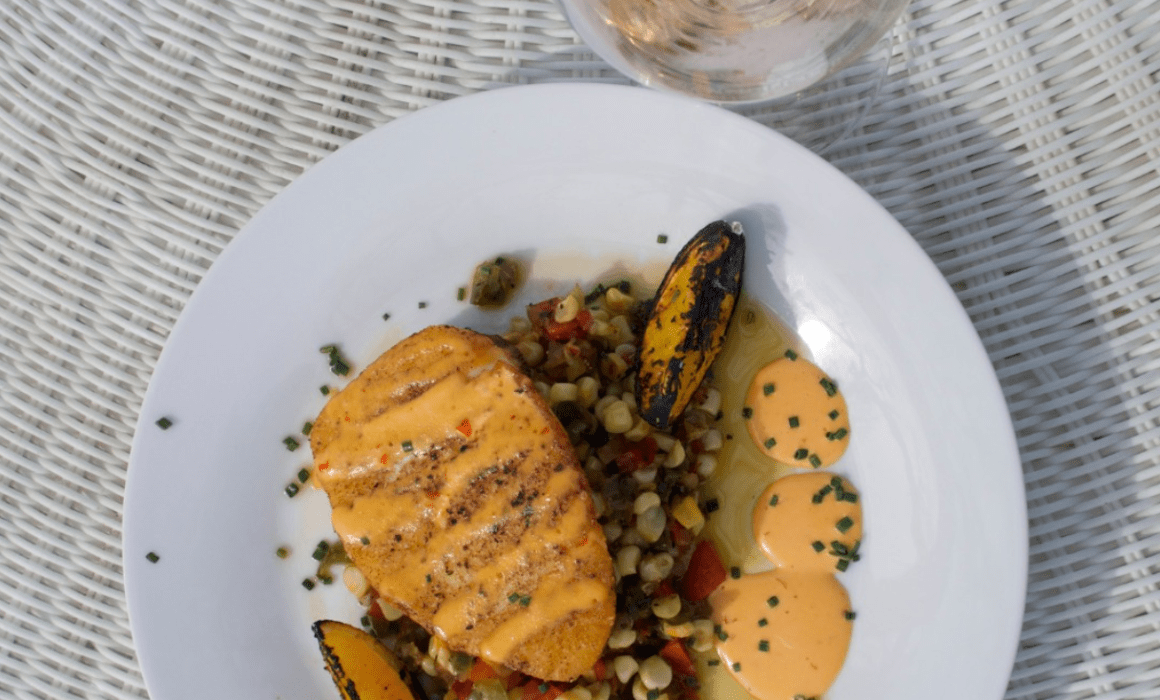
Rehearsal Dinner Ideas for a Wine Country Wedding Weekend

The best wine country rehearsal dinner keeps things relaxed and lets the setting do the work: a long family-style table, estate wine, a short toast, and maybe a sunset vineyard walk. Held the night before the wedding for the wedding party, immediate family, and officiant, it is the warm-up to the weekend, not the main event. In a place like Paso Robles, the vineyard views, the food, and the wine give you a memorable evening without much effort, so the ideas below focus on making it feel special while keeping it simple.

This guide comes from the team at Villa San Juliette, a winery estate in Paso Robles wine country that hosts weddings, rehearsal dinners, and private events on-site. Because we design these evenings around each couple’s weekend, pairing estate wines with chef-prepared plates and the vineyard as a backdrop, we know what makes a rehearsal dinner feel effortless and personal. Here are ideas you can adapt, plus the practical details that keep the night running smoothly.

What a Rehearsal Dinner Is, and When It Happens

The rehearsal dinner follows the ceremony rehearsal, usually the evening before the wedding. The rehearsal walks the wedding party through the ceremony, and the dinner is the relaxed gathering that follows. In a destination wedding weekend, it also doubles as the first real chance for both families and the wedding party to connect before the big day.

Keep it a notch simpler than the wedding. It should feel warm and personal, and sit just below the wedding in formality so it complements the day rather than competing with it.

Wine Country Rehearsal Dinner Themes

You do not need an elaborate theme, but a simple concept gives the night a hook. A few that fit a winery setting:

  • A family-style feast, with shared platters down a long table that get everyone talking across the group.
  • A harvest or vineyard theme, leaning into the season with rustic tables, warm lighting, and estate wine front and center.
  • A wine-and-food pairing dinner, where each course is matched to an estate pour, turning the meal into an experience.
  • A relaxed alfresco evening, on a patio or lawn with the vineyard as the backdrop, ideal for mild Paso Robles nights.
  • A cozy indoor gathering, in a barrel room for a warm, intimate feel when the evening cools.

The goal is warmth, not spectacle. Whatever you choose, keep it a step below the wedding so the main day still stands apart.

Indoor or Outdoor: Plan for Both

One decision shapes the whole evening: whether the dinner is outside under the sky or inside somewhere cozy. In wine country, the answer is often both, since the setting rewards being outdoors while the weather occasionally has other plans. Spring and fall evenings in Paso Robles tend to be mild, so a patio or lawn dinner with the vineyard in view is hard to beat. Summer days run warm, which makes a later start and a shaded or open-air space more comfortable, and winter evenings cool off quickly once the sun drops.

The safest approach is to choose an outdoor spot you love and keep an indoor option in reserve. On our estate that indoor option is the Barrel Room, a warm, atmospheric space that works beautifully as a rehearsal dinner setting in its own right and as a weather backup when an evening turns cold or wet. Planning for both from the start means a little rain never derails the night, and you never have to scramble the day before.

Add a Wine Country Experience

What sets a winery rehearsal dinner apart is the experience around the meal. A few easy additions:

  • A welcome tasting of estate wines as guests arrive, which doubles as an icebreaker for families meeting for the first time.
  • A short vineyard or estate tour before dinner, a relaxed way to get everyone talking and take in the setting. You can see the grounds on our estate and vineyard page.
  • A barrel tasting, a behind-the-scenes moment that feels exclusive and memorable.
  • A sunset toast timed to golden hour, when the light falls across the vines.

These moments are simple to build in, and they give a rehearsal dinner in wine country something a restaurant back room cannot match.

Menu Ideas for a Winery Rehearsal Dinner

Lean on what the setting does best. Our tasting experience pairs estate wines with chef-prepared shared plates built to complement them, so a menu that follows that lead tends to come together naturally. A few directions:

  • Shared and family-style plates, which encourage conversation and suit a relaxed evening.
  • A seasonal, locally inspired menu, matching the wine country feel.
  • A personal touch, such as a dish that means something to the couple or a course built around their favorite estate wine.

For the bar, beer, wine, and champagne cover most rehearsal dinners, with some additional options available for groups that want a fuller bar. Keep the menu a step simpler than the wedding, offer a few crowd-pleasers, and account for dietary needs.

A few menu formats that work well for a winery rehearsal dinner:

Format Best for Why it works
Family-style shared plates 20 to 40 guests Encourages conversation, feels generous, easy to pace
Plated multi-course dinner A more formal evening Pairs naturally with a wine flight, feels elevated
Grazing table and small bites A relaxed, mingling crowd Lets guests move around and meet before dinner
A build-your-own or interactive station Casual groups with kids Fun, informal, keeps everyone fed on their own schedule

Whichever you choose, pick a format that matches the mood you want and lets the estate wines share the spotlight.

Who to Invite

Keep the guest list small and intentional. The must-invites are the couple, the entire wedding party and their partners, immediate family on both sides, the officiant, and the parents of any flower girl or ring bearer. You can also include close extended family and out-of-town guests who traveled early. This is not the wedding welcome party, so keep the group fairly small, usually 20 to 50 people. If your list grows past that, you may actually be planning a welcome party, which our wedding welcome party ideas guide covers.

The Run of Show

A loose flow keeps the night relaxed and on track:

  1. Arrival and a welcome tasting as guests settle in
  2. An optional vineyard tour before the meal
  3. A welcome from the hosts, introducing key people if the families are meeting for the first time
  4. Dinner, family-style or plated
  5. Toasts, kept short and moderated so they do not run long
  6. An optional sunset moment or a relaxed nightcap

This is also the traditional time to thank the parents and wedding party and to hand out any gifts, rather than saving those for the reception.

What a Rehearsal Dinner Costs

Costs vary by guest count, venue, and formality. Most rehearsal dinners run $1,500 to $5,000 total, or about $55 to $150 per person, with a national average around $2,700. A casual gathering costs less, while a plated multi-course dinner runs higher. Guest count and menu move the number the most, so settle those first, and build in a buffer of roughly fifteen to twenty percent for decor, gratuity, and extras. Because the rehearsal dinner should sit below the wedding in formality, it is also a natural place to keep spending in check.

Here is a rough guide to how the total tends to scale:

Style Per person 30-guest estimate
Casual gathering $55 to $75 $1,650 to $2,250
Mid-range dinner $75 to $110 $2,250 to $3,300
Elevated, multi-course $110 to $150 $3,300 to $4,500

These are planning figures rather than quotes, and they shift with your menu, bar, and guest count. The clearest way to hold the line is to set a total first, keep the group small, and let the setting carry the atmosphere so you spend less on decor.

Traditionally the groom’s family hosts and pays for the rehearsal dinner, though today many couples or both families share the cost. Settle who is hosting early, since it shapes the budget and every choice after it.

Timing It Around the Weekend

The rehearsal dinner sets the tone for the whole weekend, so think about where it sits in the schedule. It typically runs after the ceremony rehearsal, starting in the early evening so there is time for a tasting or tour beforehand and still an early enough finish that everyone is rested for the wedding. Aim to wrap at a reasonable hour rather than letting it turn into a late night, since the main event is the next day.

Season matters too. Spring and fall are prime in Paso Robles, with mild evenings ideal for an outdoor dinner, while summer favors a later start and winter a cozy indoor setting. If you are still choosing your wedding date, our guide to the best month to get married in Paso Robles walks through the trade-offs season by season. And if you want to see how the rehearsal dinner threads into everything from welcome drinks to a farewell brunch, our destination wedding planning checklist lays out the full weekend.

Why a Winery Works for the Whole Weekend

A rehearsal dinner at your wedding venue, or one close by, keeps the weekend simple for guests who traveled. A winery estate is especially well suited to it, since the ceremony, reception, and rehearsal dinner can all happen in one place, and on-site lodging keeps your closest people right where the celebration is. Our estate offers accommodations for up to 22 guests in a six-bedroom, six-bathroom villa with a private pool and hot tub, which makes the night before feel like part of the getaway rather than a separate errand. You can see the accommodations on our stay page, and our wedding weekend itinerary guide shows how the rehearsal dinner fits into the full weekend.

Tips for a Smooth Rehearsal Dinner

A few habits keep the evening effortless:

  • Confirm the headcount separately from the wedding, since not every guest attends both.
  • Plan transportation or lean on on-site lodging, since wine is part of the night.
  • Keep toasts short by asking one person to gently move things along.
  • Time any sunset moment with your photographer or coordinator so you do not miss the light.
  • Leave the group rested by keeping the night relaxed, so everyone arrives at the wedding day fresh.

Ready to Plan Yours?

A wine country rehearsal dinner is the easy, warm start to a wedding weekend. Keep the group small, lean on the setting, add a tasting or a vineyard moment, and leave room for toasts and connection. The vineyard does the rest.

If you are planning a Paso Robles wedding weekend, you can explore our weddings page, see the accommodations, and start a conversation through our private event inquiry or request a tour to picture the evening on the estate.

Frequently Asked Questions

What is a good rehearsal dinner idea for a winery?

Keep it relaxed and let the setting lead. A family-style dinner at a long table with estate wine, a short welcome tasting as guests arrive, an optional vineyard tour, and a sunset toast make a winery rehearsal dinner feel special without much effort. A wine-and-food pairing dinner is another memorable option. Whatever you choose, keep it a notch simpler than the wedding so the main day still stands apart.

When is the rehearsal dinner held?

The rehearsal dinner is traditionally held the night before the wedding, right after the ceremony rehearsal. The rehearsal walks the wedding party through the ceremony, and the dinner is the relaxed gathering that follows. For a destination wedding weekend, it is also the first real chance for both families and the wedding party to connect before the big day.

Who do you invite to a rehearsal dinner?

The must-invites are the couple, the entire wedding party and their partners, immediate family on both sides, the officiant, and the parents of any flower girl or ring bearer. You can also include close extended family and out-of-town guests who arrived early. Keep the group small, usually 20 to 50 people, since a larger gathering is really a welcome party rather than a rehearsal dinner.

How much does a rehearsal dinner cost?

Most rehearsal dinners cost $1,500 to $5,000 total, or about $55 to $150 per person, with a national average around $2,700. A casual gathering costs less, while a plated multi-course dinner runs higher. Guest count and menu drive the total most, so settle those first and add a buffer for decor, gratuity, and extras.

Can you have the rehearsal dinner at the wedding venue?

Yes, and it often makes the weekend simpler for guests who traveled. Holding the rehearsal dinner at or near your wedding venue keeps everyone in one place, and a winery estate with on-site lodging is especially well suited to it. Our estate can host the rehearsal dinner, ceremony, and reception on-site, with accommodations for up to 22 guests, so the whole weekend flows together.

How is a rehearsal dinner different from a welcome party?

A rehearsal dinner is a smaller, more intentional gathering, usually 20 to 50 people, for the wedding party, immediate family, and officiant, held right after the ceremony rehearsal. A welcome party is a larger, more casual event that invites all or most out-of-town guests to kick off the weekend. Some couples host both, and some fold them into one. If your rehearsal dinner guest list keeps growing, it may really be a welcome party in disguise.

How long should a rehearsal dinner last?

Plan for about two to three hours. That is enough time for arrivals and a welcome tasting, dinner, and a round of toasts without the night running long. Since the wedding is the next day, aim to finish at a reasonable hour so the wedding party and family arrive rested. A loose flow, rather than a rigid schedule, keeps the evening relaxed and easy.

Destination Wedding Planning Checklist for Paso Robles

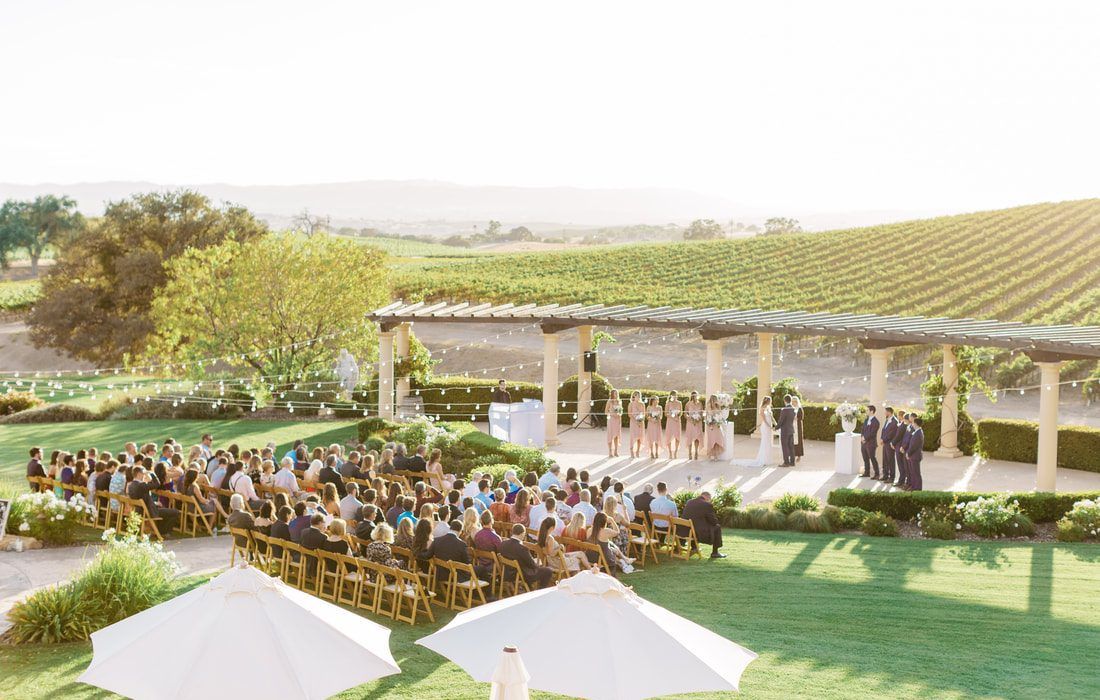
Planning a destination wedding follows the same core timeline as any wedding, with extra steps for travel, lodging, and guest logistics. Start 12 to 18 months out by booking your venue and date, then work backward through guest accommodations, travel details, local vendors, and a weekend itinerary. The biggest difference from a hometown wedding is that you are planning for guests who travel, so communication and logistics matter more. Break it into stages and a destination wedding becomes very manageable.

This guide comes from the team at Villa San Juliette, a winery estate in Paso Robles wine country that hosts destination weddings. Because we welcome couples and their guests from out of town and coordinate weddings on the estate, we know which destination-specific details matter early and where couples tend to feel unsure. This checklist walks through the whole timeline, with the extra destination steps called out clearly.

What Makes a Destination Wedding Different

A destination wedding is not necessarily harder to plan, but it is different. The core tasks, such as the venue, catering, and attire, stay the same. What changes is everything around your guests: they need to travel, book lodging, and understand the weekend, which means you plan earlier, communicate more, and coordinate logistics a local wedding never requires.

The payoff is worth it. A destination wedding in a place like Paso Robles gives you a beautiful setting and a full weekend with the people who matter most, rather than a single day.

The Destination Wedding Timeline at a Glance

Here is the full journey in one view. Use it as your map, then dig into each stage.

Timeframe Focus
12 to 18 months Budget, venue and date, rough guest list
10 to 12 months Save-the-dates, wedding website, lodging research
8 to 10 months Local vendors, room blocks, travel details
5 to 7 months Invitations, weekend itinerary, attire
3 to 4 months Menu, transportation, marriage license research
1 to 2 months Final headcounts, welcome bags, confirmations
Week of Rehearsal, welcome events, and the wedding

12 to 18 Months Before: The Foundation

Everything starts here, and a destination wedding rewards booking early.

  • Set your budget, including travel-related costs like welcome events and guest transportation.
  • Book your venue and date. This is the anchor for the whole weekend, so it comes first. Our guide on the best month to get married in Paso Robles can help you choose a season.
  • Draft a rough guest list, since guest count shapes your venue, lodging, and budget.
  • Research the season and weather for your destination, so you plan around it.

Booking the venue this early is even more important for a destination wedding, because your guests need a confirmed date and location to plan their travel.

10 to 12 Months Before: Tell Your Guests Early

Because guests must travel, they need more notice than a local wedding.

  • Send save-the-dates early, ideally around ten months out, so guests can plan and budget for travel.
  • Build a wedding website with travel information, lodging options, and a rough weekend schedule.
  • Research lodging, including on-site options and nearby hotels. Our estate offers on-site accommodations for up to 22 guests, which is ideal for the wedding party and close family. You can see it on our stay page.

8 to 10 Months Before: Vendors and Logistics

Now the destination-specific coordination begins.

  • Book local vendors, such as a photographer, florist, and any rentals, who know the area.
  • Set up hotel room blocks so guests can book easily at a group rate.
  • Confirm transportation plans for getting guests to and from the venue, especially since wine is often part of a wine-country weekend.
  • Plan your welcome and farewell events, which are part of most destination weekends.

5 to 7 Months Before: Invitations and Itinerary

  • Send invitations a bit earlier than a local wedding, around five months out, to give travelers time.
  • Finalize your weekend itinerary, including the welcome gathering, wedding, and farewell brunch. Our wedding weekend itinerary guide lays out a sample schedule.
  • Choose attire and plan for how it will travel to the destination.

3 to 4 Months Before: The Details

  • Finalize the menu with your venue or caterer.
  • Lock in transportation for the weekend’s events.
  • Research the marriage license requirements for the destination’s county, since rules and waiting periods vary by location.
  • Order welcome bags and any signage.

1 to 2 Months Before: Confirm Everything

  • Collect RSVPs and confirm headcounts for each event, since not every guest attends every gathering.
  • Assemble welcome bags with a schedule, water, snacks, and local tips.
  • Confirm every vendor, arrival time, and detail with your venue coordinator.
  • Share the final itinerary with guests and the wedding party.

The Week Of

In the final week, focus on people, not tasks. Greet arriving guests, host your welcome events, walk through the rehearsal, and let your venue team handle the logistics. This is the moment the whole plan comes together, so lean on your coordinator and enjoy it.

Destination-Specific Steps Not to Miss

These are the items that a hometown wedding does not require, and the ones couples most often overlook:

  • Early save-the-dates and a wedding website for travel information
  • Hotel room blocks and clear lodging guidance
  • Guest transportation, especially in wine country
  • Welcome and farewell events to make the most of the weekend
  • Marriage license rules for the destination’s county
  • Welcome bags for traveling guests

Handle these alongside the standard wedding tasks and your destination wedding will feel organized rather than overwhelming.

Destination Wedding Budget Considerations

A destination wedding budget looks a little different from a local one. Some costs go down, and some new ones appear, so it helps to know where the money shifts.

On the savings side, destination weddings often have smaller guest lists, since not everyone can travel, which can lower catering and overall costs. On the added side, you may host more events across the weekend, such as a welcome gathering and a farewell brunch, and you may contribute to guest transportation or provide welcome bags. Couples also sometimes cover part of the lodging for the wedding party.

The practical approach is to budget for the full weekend, not just the wedding day, and to decide early which extra events and guest costs you will cover. Our breakdown of wedding costs in Paso Robles gives a local view of the numbers to plan around.

Common Destination Wedding Mistakes

A few missteps trip up otherwise organized couples:

  • Telling guests too late. Travel takes planning, so send save-the-dates early and share details on a website.
  • Over-scheduling the weekend. Leave guests free time to rest and explore rather than booking every hour.
  • Forgetting the marriage license rules. These vary by county, so research them months ahead.
  • Underestimating transportation. In wine country especially, plan rides so no one has to drive after events.
  • Assuming everyone can attend. Some guests cannot travel, so confirm headcounts per event rather than guessing.

Avoid these and the weekend feels welcoming and well-run for everyone who made the trip.

Choosing Your Season in Paso Robles

For a destination wedding, the season shapes both the experience and the logistics, so it is worth choosing deliberately. Paso Robles has a classic wine-country climate, with warm, dry summers and mild shoulder seasons in spring and fall. Late spring and early fall are especially popular for outdoor celebrations, offering comfortable temperatures and beautiful light, while fall also brings the atmosphere of harvest season across the vineyards.

Your season affects your guests too. Peak months mean more competition for lodging and higher travel costs, so if your date is flexible, an off-peak choice can make the weekend easier and more affordable for everyone. Whatever season you choose, plan around its weather, and confirm an indoor option for any part of the day that could be affected. Our guide on the best month to get married in Paso Robles walks through the trade-offs in more detail.

Ready to Start Planning?

A destination wedding in Paso Robles gives you a stunning setting and a full weekend with your favorite people. Start with the venue and date, tell your guests early, and work through the checklist stage by stage.

If Paso Robles wine country is on your list, you can explore our weddings page, review the accommodations, and request a tour to see the estate and start planning your weekend.

Frequently Asked Questions

How far in advance should you plan a destination wedding?

Start 12 to 18 months out by booking your venue and date, which anchors the whole weekend and gives guests time to plan travel. Destination weddings reward early planning even more than local ones, since guests need a confirmed date and location to book flights and lodging. Send save-the-dates around ten months out and invitations a bit earlier than usual, around five months out.

What is different about planning a destination wedding?

The core tasks, like the venue, catering, and attire, are the same, but a destination wedding adds guest logistics: travel, lodging, room blocks, transportation, and welcome events. You also plan earlier and communicate more, since guests must arrange trips. Researching the destination’s marriage license rules and the season’s weather are extra steps a hometown wedding does not require.

How do you handle guest travel and lodging for a destination wedding?

Tell guests early with save-the-dates and a wedding website that lists lodging and travel details. Set up hotel room blocks for group rates, and provide on-site or nearby accommodations where possible. Our estate offers lodging for up to 22 guests, ideal for the wedding party and close family, while sharing nearby hotel options helps the wider guest list plan. Arrange transportation for weekend events too.

Do you need a wedding website for a destination wedding?

A wedding website is especially helpful for a destination wedding. It gives traveling guests one place to find the schedule, travel and lodging information, room blocks, and local tips. Because destination guests have more to plan than local ones, a clear website reduces the questions you field and helps everyone book flights and accommodations with confidence well ahead of the weekend.

How do marriage license rules work for a destination wedding?

Marriage license requirements are set by the state and county where you marry, not where you live, so research the destination’s rules early. Requirements vary on where to apply, waiting periods, identification, and how long the license is valid. Confirm the details for your destination’s county a few months out so there are no surprises, and build the application into your weekend timeline.


Wedding Cost in Paso Robles, California: A Complete 2026 Budget Breakdown

Planning a wedding in Paso Robles is exciting, but understanding the cost upfront is essential. At Villa San-Juliette Winery, our team has hosted and planned countless weddings in the Paso Robles wine country region. As an established vineyard estate and event venue, we work closely with local caterers, photographers, florists, planners, and rental companies every season. That hands-on experience gives us real insight into Paso Robles wedding venue prices and overall wedding budgets. This guide provides straightforward, honest information to help you understand what a wedding in Paso Robles, California truly costs, without sales pressure.

Paso Robles has become one of California’s most sought-after wedding destinations. Couples love the rolling vineyards, rustic barns, elegant winery estates, and relaxed wine country atmosphere. On average, most weddings in Paso Robles range between $30,000 and $55,000, depending on guest count, venue type, and vendor selections. Smaller weddings can cost less, while large luxury events can exceed $75,000. The biggest factors that affect cost are your venue, catering, and guest count.

What Is the Average Wedding Cost in Paso Robles?

The average wedding cost in Paso Robles typically falls between $35,000 and $45,000 for around 100–125 guests. That usually breaks down to about $250 to $400 per guest, depending on the level of service and design.

Compared to major California cities like Los Angeles or San Francisco, Paso Robles can be slightly more affordable. However, because it is a popular wine country destination, demand during peak season keeps pricing competitive.

Several factors influence the average wedding cost Paso Robles couples should expect:

  • Time of year
  • Day of the week
  • Guest count
  • Venue type
  • Catering and bar selections
  • Vendor experience level

Wine country venues often include stunning natural backdrops, which can reduce decor costs, but high demand in spring and fall can increase rental rates.

Paso Robles Wedding Venue Costs

Your venue will likely be your largest expense. Paso Robles offers vineyards, wineries, barns, estates, and all-inclusive properties. Venue rental fees Paso Robles couples see typically range from $8,000 to $20,000, depending on the property and inclusions.

Vineyard and Winery Wedding Venues

Vineyard wedding cost Paso Robles couples pay often falls between $10,000 and $18,000 for site rental. These venues typically accommodate 100–200 guests.

Most winery venues include ceremony and reception space, basic tables and chairs, bridal suite access, and scenic vineyard views. To get a feel for what a working estate looks like up close, explore our vineyard and estate grounds.

Some venues may require preferred caterers or have alcohol minimums.

Barn and Rustic Estate Venues

Paso Robles barn wedding pricing usually ranges from $8,000 to $15,000. Rustic venues may provide more flexibility but sometimes require outside rentals for tables, lighting, and restrooms. These venues are ideal for couples who want a laid-back, countryside feel.

All-Inclusive Wedding Venues

All-inclusive Paso Robles wedding packages can range from $25,000 to $60,000+ depending on guest count. While the upfront number may seem higher, these venues bundle catering, coordination, rentals, and sometimes bar service. For some couples, this option simplifies planning and controls vendor pricing surprises. You can review transparent package details on our weddings page.

Wedding Cost Breakdown by Category in Paso Robles

Understanding the Paso Robles wedding cost breakdown by category helps you plan realistically.

Catering and Bar Service

Wedding catering costs Paso Robles couples pay average $75 to $150 per guest for food alone. Plated dinners tend to cost more than buffet service.

Bar service may add $25 to $60 per guest, depending on:

  • Beer and wine only
  • Full open bar
  • Corkage fees
  • Local wine selections

Paso Robles wineries sometimes offer estate wine packages, which can be a highlight for guests.

Photography and Videography

Wedding photographer pricing Paso Robles couples see typically ranges from $3,500 to $6,500 for full-day coverage. Videography can add another $3,000 to $6,000.

Most packages include:

  • 8–10 hours of coverage
  • Edited digital gallery
  • Engagement session (sometimes included)

Floral and Decor

Floral costs vary widely. A typical floral budget ranges from $3,000 to $8,000 depending on design style.

Costs include:

  • Bridal bouquet
  • Bridesmaid bouquets
  • Centerpieces
  • Ceremony arch or installations
  • Rentals such as linens and lighting

Large custom floral installations can significantly increase your total budget.

Entertainment

Paso Robles DJ and entertainment cost averages:

  • DJ: $1,500 to $3,500
  • Live band: $5,000 to $12,000

Ceremony musicians may cost an additional $500 to $1,500.

Wedding Planner or Coordinator

Paso Robles wedding planner fees range from:

  • Month-of coordination: $1,500 to $3,000
  • Full-service planning: $5,000 to $10,000+

Coordination is especially helpful for vineyard venues where timing and logistics matter.

Attire, Beauty, and Miscellaneous Costs

Other expenses include:

  • Wedding attire and alterations: $2,000 to $5,000
  • Hair and makeup: $300 to $800
  • Invitations and stationery: $800 to $2,000
  • Transportation: $500 to $2,000

These smaller categories add up quickly and should be included in your full Paso Robles wedding cost estimate.

How Guest Count Impacts Wedding Cost in Paso Robles

Guest count is one of the biggest budget drivers.

A 50-guest micro wedding may cost $20,000 to $30,000, depending on venue. A 100-guest wedding often ranges between $35,000 and $45,000. A 150+ guest wedding can reach $50,000 to $75,000 or more.

Because catering, bar service, rentals, and staffing are priced per person, increasing your guest list significantly increases overall spending.

Peak Season vs. Off-Season Wedding Pricing

Paso Robles peak wedding season typically runs from April through October, with September and October being especially popular due to harvest season.

During peak months, venue rental fees Paso Robles couples pay are often higher. Winter weddings or weekday events may reduce venue costs and improve vendor availability. Some venues offer discounted pricing for off-season dates.

Affordable Wedding Options in Paso Robles

Affordable wedding venues Paso Robles couples choose often include smaller estates or weekday packages.

Ways to reduce costs:

  • Limit guest count
  • Choose brunch or Sunday weddings
  • Offer beer and wine only
  • Select seasonal flowers
  • Keep decor simple and use vineyard scenery

Paso Robles’ naturally beautiful settings help reduce the need for heavy decor. View our current pricing to see which package fits your budget.

Luxury Wedding Costs in Paso Robles

Luxury Paso Robles winery wedding cost can exceed $75,000 to $120,000+.

High-end weddings may include:

  • Multi-day events
  • Custom tent installations
  • Designer floral builds
  • Premium wine pairings
  • Live bands and specialty entertainment

Luxury budgets allow for high personalization and elevated guest experiences. For couples planning a multi-day celebration, our on-site accommodations make it easy for your wedding party and guests to stay on the estate.

Sample Wedding Budget Scenarios

An intimate 60-guest vineyard wedding may cost around $28,000, with most of the budget going toward venue, catering, and photography.

A 120-guest traditional winery wedding could total around $42,000, with catering and bar service making up nearly half of the investment.

A 180-guest luxury estate celebration may reach $85,000 or more, especially with custom decor and entertainment.

In nearly every scenario, catering and venue rental represent the largest portion of total spending.

Final Thoughts on Planning a Wedding in Paso Robles

Wedding cost in Paso Robles, California varies widely, but understanding the categories and realistic price ranges helps you plan confidently. Start with your guest count and venue selection first, since those choices set the foundation for your entire budget.

Working with experienced local vendors ensures smooth planning and accurate pricing. Paso Robles offers incredible scenery, world-class wine, and versatile venues that suit many budgets and styles.

If you’re exploring vineyard wedding options and want expert insight from a team deeply rooted in Paso Robles wine country, we invite you to connect with Villa San-Juliette Winery. Our team is happy to answer questions, provide transparent venue pricing, and help you understand what your wedding vision may cost in this beautiful region.

Request a tour today to start planning your Paso Robles wedding experience.

Frequently Asked Questions About Wedding Costs in Paso Robles

What is the minimum budget needed for a Paso Robles wedding? 

A realistic minimum for a well-executed Paso Robles wedding is around $20,000, and that typically applies to micro-weddings of 50 guests or fewer. At that budget, you can expect a modest venue, simple catering, and a photographer, but little room for extras like a live band, videographer, or elaborate florals. Trying to plan a full-size wedding below this threshold usually means significant trade-offs in vendor quality or guest experience.

Do Paso Robles wedding venues require you to use their preferred vendors? 

Many vineyard and winery venues maintain a list of preferred or required vendors, particularly for catering and bar service. This is partly for quality control and partly because venues often have established relationships (and sometimes revenue-sharing agreements) with those vendors. Always ask upfront whether vendor lists are preferred or mandatory, and factor in whether you’ll be charged a fee for bringing in outside vendors.

How far in advance should we book a Paso Robles wedding venue? 

For peak season dates, especially September and October during harvest, most popular venues book 12 to 18 months in advance. If you have your heart set on a specific property or weekend, starting your venue search at least a year out is strongly recommended. Off-season and weekday dates are generally more available, often with shorter lead times of six to nine months.

Is a wedding planner worth the cost in Paso Robles? 

For vineyard and winery weddings specifically, yes. These venues often involve complex logistics, vendor load-in timelines, ceremony cues, outdoor contingency planning, that are genuinely difficult to manage without experience. A month-of coordinator ($1,500–$3,000) is the minimum most couples should consider. Full-service planning is worth the investment if you’re coordinating a large guest count, a multi-day event, or vendors coming in from outside the region.

Are there hidden costs couples often overlook in Paso Robles weddings? 

A few come up consistently. Gratuity for catering and service staff is often not included in quotes and can add several hundred to over a thousand dollars. Corkage fees matter if you’re bringing outside wine to a winery venue. Restroom trailer rentals are sometimes required at rustic or outdoor properties. Overtime fees for photographers or DJ services can also catch couples off guard if the evening runs long. Always ask each vendor explicitly what is and isn’t included in their base price.

Let’s Schedule a Tour!


If you’re looking for an outdoor winery wedding venue in Paso Robles with a Tuscan-styled estate, vineyard backdrop, and space for 25–200 guests, start with two steps: request the pricing guide and schedule a tour. Share your date range and estimated guest count, and the Villa San Juliette team will help you understand what options fit your vision.

Request Pricing
Couples Choice Awards